
 By admin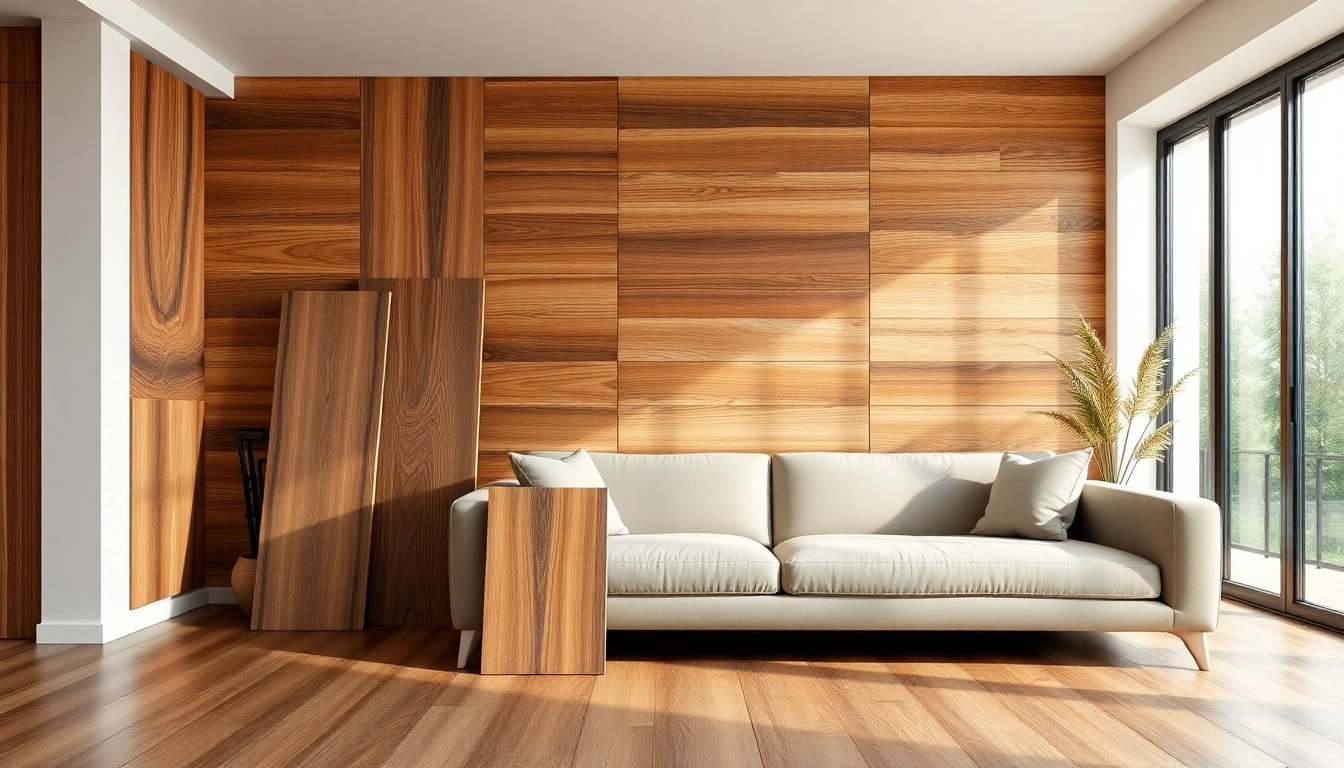
Introduction to Wood Wall Panels
Wood wall panels are a stunning addition to any interior space, merging aesthetics with functionality. These panels are designed to enhance the ambiance of a room while providing benefits such as improved acoustics and insulation. Whether you’re looking to transform your living area, office, or commercial space, wood wall panels offer versatile solutions to meet diverse design needs.
What are Wood Wall Panels?
Wood wall panels are thin slices or boards of wood that are affixed to walls for decorative purposes or insulation. These panels can be made from a variety of wood types, both natural and engineered, and come in various styles and finishes. Their primary purpose is to create a unique visual appeal while offering practical benefits such as sound absorption and thermal insulation.
Benefits of Using Wood Wall Panels
Choosing wood wall panels for your space comes with a host of benefits, including:
- Aesthetic Appeal: Wood adds warmth and character to any room.
- Sound Absorption: The porous nature of wood helps reduce noise levels.
- Insulation: Wood provides excellent thermal insulation, helping to maintain comfortable indoor temperatures.
- Versatility: Panels can be customized in size, color, and finish to suit any design style.
- Eco-friendliness: Sustainable wood options are available, supporting environmentally conscious choices.
Common Uses in Interior Design
Wood wall panels can be used in a variety of applications, including:
- Residential Spaces: Living rooms, bedrooms, and dining areas utilize wood panels for an elegant touch.
- Commercial Spaces: Offices and retail environments benefit from a professional yet inviting atmosphere.
- Accent Walls: A single wall adorned with panels can serve as a focal point in any room.
- Ceilings: Wood panels can be installed on ceilings to create a cohesive look throughout the space.
Types of Wood Wall Panels
Natural vs. Engineered Wood Wall Panels
When it comes to wood wall panels, buyers can choose between natural and engineered options. Natural wood panels are made from solid timber, showcasing the unique grains and variations of the wood. They are typically more expensive and require more maintenance. Engineered wood panels, on the other hand, consist of multiple layers of wood veneer glued together, offering enhanced stability and cost-effectiveness while still mimicking the appearance of real wood.
Different Styles and Finishes
Styles of wood wall panels vary greatly, including:
- Traditional: Classic designs that highlight the natural beauty of wood.
- Modern: Sleek, minimalist designs that often feature geometric patterns.
- Rustic: A weathered finish that enhances the historic charm of wood.
- Shiplap: Overlapping panels that create a clean, linear look.
Finishes can range from natural stains to painted surfaces, depending on the desired aesthetic.
Choosing the Right Panel for Your Needs
Selecting the right wood wall panel involves considering factors such as:
- Budget: Natural wood is more costly than engineered options.
- Intended Use: Residential environments may require different styles than commercial spaces.
- Maintenance: Some finishes require more upkeep than others.
- Installation Method: DIY-friendly options can simplify your project.
Installation of Wood Wall Panels
Preparing the Surface for Installation
Before installation, ensure that the wall surface is clean, dry, and flat. Any imperfections can compromise the look and fix of the panels. Address any moisture issues as wood is susceptible to damage in damp conditions. If the wall has dents or imperfections, smooth it out or consider adding a layer of drywall as a substrate.
Step-by-Step Installation Process
- Measurement: Measure the wall to determine how many panels are needed.
- Cutting: Cut panels to size as necessary, ensuring accurate dimensions.
- Layout: Pre-plan the arrangement of the panels to achieve the best visual effect.
- Adhesion: Apply adhesive or use nails/screws to affix the panels to the wall.
- Finishing: Caulk any gaps and apply sealant if necessary for added protection.
Common Mistakes to Avoid
There are several pitfalls to be aware of during installation:
- Skipping Surface Preparation: Never underestimate the importance of a level surface.
- Poor Measurement: Measure twice to avoid costly mistakes.
- Ignoring Moisture Levels: Moisture can lead to warping and other issues.
Maintenance and Care for Wood Wall Panels
Cleaning Methods for Longevity
To maintain the beauty of wood wall panels, regular cleaning is essential. Dust panels frequently using a soft, dry microfiber cloth to prevent debris from accumulating. For deeper cleans, a damp cloth may be used, but avoid soaking the panels. Be cautious with chemical cleaners, ensuring they are safe for wood.
Protective Treatments and Sealants
Applying a protective sealant can enhance the longevity of wood wall panels. Treatments like polyurethane can provide a barrier against moisture and dirt. Choose a sealant appropriate for your finish and apply it according to manufacturer instructions for optimal results.
Repairing Damage to Wood Wall Panels
Minor scratches or dents can often be repaired by sanding the affected area lightly and reapplying the finish. For more significant damage, consider replacing the damaged panel. Matching the stain or finish to the remaining panels may require professional assistance.
Trends in Wood Wall Panels
Current Design Trends in Home Decor
Wood wall panels are currently seeing a surge in popularity, driven by trends that value natural materials and organic designs. Warm, inviting tones and textures are favored, with paneling used to create feature walls and cozy niches within homes. Mixed materials, such as combining wood with metal or glass, are also trending, allowing designers to innovate while incorporating traditional elements.
Sustainable Choices in Wood Wall Panels
As sustainability becomes increasingly significant in design, many manufacturers prioritize eco-friendly sourcing. Reclaimed wood and sustainably harvested timber are gaining traction as consumers become more conscious of environmental impact. This trend not only supports ecological practices but also adds character and history to interior spaces.
Future of Wood Wall Panels in Interior Design
The future of wood wall panels looks bright, with advancements in technology influencing the types and treatments available. With options like digital printing on wood veneer, customization is simpler than ever. Additionally, the integration of smart technology, such as sound-absorbing materials, promises to enhance the functional benefits of these panels even further.
Frequently Asked Questions
1. What are the advantages of wood wall panels?
Wood wall panels provide aesthetic warmth, improve acoustics, and offer insulation, making them a desirable choice for various environments.
2. How do I maintain wood wall panels?
Regular dusting and using a damp cloth for deeper cleans ensure longevity. Consider applying protective sealants to enhance durability.
3. Can I install wood wall panels myself?
Yes, wood wall panels are often DIY-friendly. However, ensure you follow proper installation steps and precautions for the best results.
4. What types of wood should I choose?
Choose based on your budget and style preferences. Natural wood offers unique aesthetics, while engineered options are often more affordable and stable.
5. Are wood wall panels eco-friendly?
Many wood wall panels can be eco-friendly, especially if made from reclaimed wood or sustainably sourced materials, supporting environmental responsibility.