Introduction to Wood Wall Panels
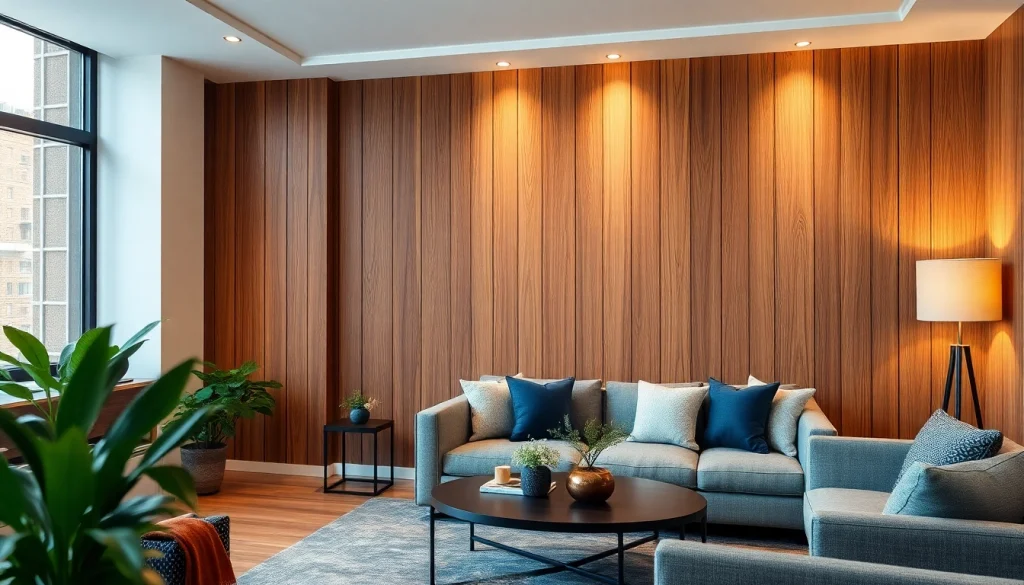
Wood wall panels have become an increasingly popular choice for homeowners and designers aiming to enhance the aesthetic appeal of indoor environments. Wood wall panels provide a blend of style, warmth, and functionality that effortlessly transforms any space. Their versatility allows them to be used in both residential and commercial settings, making them a favored element in contemporary interior design.
What Are Wood Wall Panels?
Wood wall panels refer to sheets or planks of wood that are used to cover walls. Typically, these panels are designed to enhance the interior decor, providing both insulation and acoustical benefits. They come in various types, including solid wood, engineered wood, and composite materials, allowing for a diverse range of applications depending on the desired finish and functionality. These panels can be installed in numerous layouts, from rustic to modern styles.
Benefits of Using Wood Wall Panels
Integrating wood wall panels into your space offers numerous advantages:
- Aesthetic Appeal: Wood introduces a natural look and texture, complementing various design themes.
- Durability: Many wood panels are built to last, resisting wear and tear over time.
- Insulation: Wood acts as a natural insulator, helping to maintain temperature and reduce energy costs.
- Acoustic Properties: Certain wood wall panels provide sound absorption, enhancing acoustics in rooms.
- Easy Installation: Many products come with user-friendly designs that make installation straightforward.
Popular Styles and Designs
Wood wall panels come in various styles, each bringing its unique charm:
- Shiplap: Characterized by its overlapping edges, creating a seamless, rustic look.
- Beadboard: Designed with vertical boards separated by grooves, suitable for a classic aesthetic.
- Slat Panels: These offer a modern design twist with horizontal or vertical slats, often used for acoustic purposes.
- 3D Panels: Featuring textured surfaces that add depth and dimension to walls.
Choosing the Right Wood Wall Panels for Your Space
Factors to Consider
When selecting wood wall panels, several factors should influence your decision:
- Room Function: Consider how the room will be used. For instance, avoid porous panels in kitchens or bathrooms due to humidity.
- Style: Match the wood panel style with your existing decor for a cohesive look.
- Installation Method: Determine whether you want a DIY project or prefer professional installation.
- Wood Type: Consider hard versus softwood based on durability, cost, and finish.
- Acoustic Needs: If sound control is a priority, seek panels designed specifically for that purpose.
Misconceptions About Wood Wall Panels
Despite their advantages, several misconceptions persist regarding wood wall panels:
- They Are Too Expensive: While high-end options exist, there’s a wide range of affordable choices available.
- They Are Difficult to Maintain: Most modern wood panels are treated for easy cleaning and upkeep.
- Wood Panels Are Not Durable: Properly installed and maintained panels can last decades.
- They Promote Mold Growth: When installed correctly in suitable areas, they do not harbor moisture.
Comparing Material Options
Choosing the right material is crucial to ensure longevity and aesthetic appeal. Here are common materials used for wood wall panels:
- Solid Wood: Provides natural beauty but requires more care and is typically more expensive.
- Engineered Wood: Offers the look of wood at a lower cost and is often more stable in varying climates.
- Composite Panels: Made from wood fibers and resins, providing a budget-friendly and eco-friendly option.
Installation Tips for Wood Wall Panels
Pre-Installation Preparation
Preparing for installation includes:
- Choosing Your Location: Decide which wall or area you want to cover.
- Gathering Tools: Ensure you have the right tools such as a level, saw, adhesive, and fasteners.
- Acclimating the Panels: Let the wood panels acclimate to the room temperature and humidity for 24-48 hours.
- Measuring: Measure your space accurately to calculate the amount of material needed.
Step-by-Step Installation Process
- Mark the Layout: Use a level to mark a straight guideline for the first panel.
- Start from the Bottom: Begin installation from the floor and work upwards.
- Cut as Necessary: Cut panels to fit around windows, doors, or electrical outlets as required.
- Secure Panels: Use nails or adhesive to secure panels to the wall firmly.
- Finish Edges: Don’t forget to add trims or moldings for a polished look at the edges.
Common Mistakes to Avoid
Avoid these pitfalls for a successful installation:
- Skipping Surface Preparation: Ensure walls are clean and dry before installation.
- Not Accounting for Expansion: Leave gaps for the wood to expand and contract with humidity changes.
- Ignoring Acclimation: Not allowing panels to adjust can lead to warping once installed.
- Poor Measurements: Always double-check your measurements to avoid gaps.
Maintenance and Care for Wood Wall Panels
Cleaning Wood Wall Panels
To maintain the beauty of your wood wall panels, regular cleaning is essential. Dust the surface with a soft cloth regularly, and for deeper cleans, use a damp cloth and a mild cleaner. Avoid abrasive materials that can scratch the finish. For sticky spots, a mixture of vinegar and water can be effective.
Refinishing Options Available
Over time, wood wall panels may require refinishing. Options include sanding down the surface and reapplying seals or stains to refresh the look. Ensure you choose products that are compatible with the type of wood used to avoid damage.
Signs of Wear and When to Replace
Monitor your wood wall panels for signs of wear, such as:
- Discoloration or fading that does not respond to cleaning
- Visible damage such as cracks or chips
- Accumulation of moisture indicating potential mold growth
If these signs are present, consider either refinishing or replacing the affected panels to maintain the integrity and beauty of your space.
FAQs About Wood Wall Panels
What are the typical costs associated with wood wall panels?
The cost of wood wall panels generally ranges from $10 to $20 per square foot, depending on materials and design complexity.
How are wood wall panels different from plaster or wallpaper?
Wood wall panels offer more durability, insulation, and a unique texture compared to plaster and wallpaper, which may require more frequent maintenance or replacement.
Can wood wall panels be installed in wet areas?
While some wood wall panels are treated for moisture resistance, it’s recommended to avoid installation in consistently wet areas like bathrooms without appropriate treatments.
Are wood wall panels eco-friendly?
Many wood wall panels are sourced from sustainable forests, making them an eco-conscious choice. Check for certifications to ensure sustainable practices.
What styles of wood wall panels are available?
There are numerous styles available including shiplap, beadboard, slat panels, and 3D designs, catering to various aesthetic preferences and functional needs.