
 By Eric Young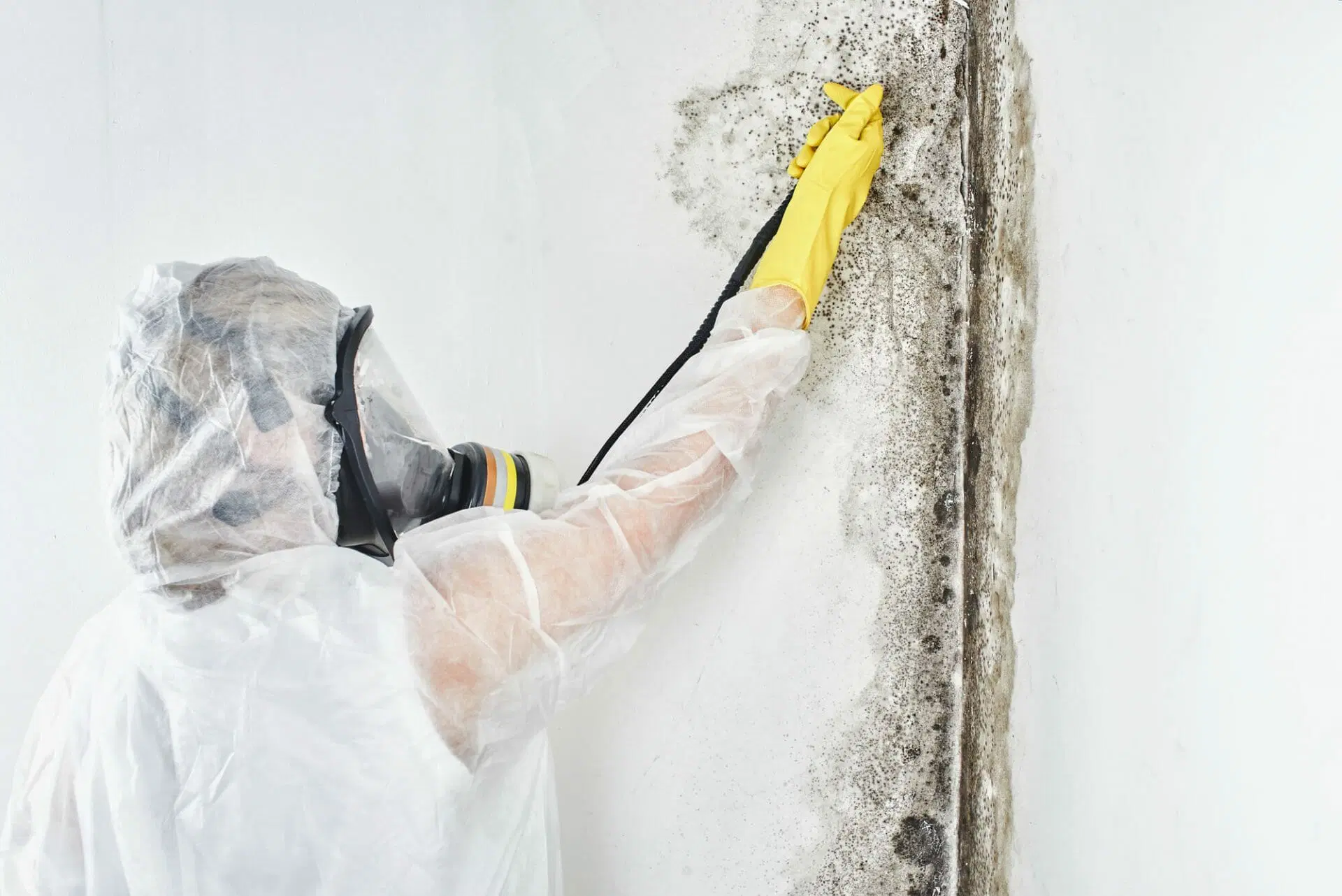
Spray foam insulation is widely praised for its ability to seal air leaks and improve energy efficiency, but Spray Foam Condensation Issues can still arise when installation or environmental conditions are not ideal. These problems often catch homeowners off guard, leading to dampness, mould growth, and even structural damage if left unresolved. Understanding why condensation forms in spray foam systems and how to fix it is essential for maintaining a healthy and efficient property.
- What Are Spray Foam Condensation Issues
- Why Spray Foam Condensation Issues Happen
- Signs of Spray Foam Condensation Issues
- The Impact of Spray Foam Condensation Issues
- How to Fix Spray Foam Condensation Issues
- Preventing Spray Foam Condensation Issues
- When to Seek Professional Help
- Final Thoughts on Spray Foam Condensation Issues
What Are Spray Foam Condensation Issues
Spray Foam Condensation Issues occur when moisture in the air turns into liquid water on or within insulated surfaces. This typically happens when warm, humid air meets a cooler surface, causing the moisture to condense. Although spray foam acts as both insulation and an air barrier, improper application or ventilation gaps can still allow condensation to develop.
These Spray Foam Condensation Issues are most commonly seen in lofts, roofs, and wall cavities where temperature differences are more pronounced. If not addressed early, they can lead to long-term problems such as timber rot and reduced insulation performance.
Why Spray Foam Condensation Issues Happen
There are several reasons why Spray Foam Condensation Issues may occur, even in properties that have been recently insulated.
One of the main causes is poor ventilation. When airflow is restricted, moisture becomes trapped inside the building. This trapped moisture increases humidity levels, making Spray Foam Condensation Issues more likely to develop.
Another common cause is incorrect installation. If the spray foam is applied unevenly or fails to fully seal gaps, cold spots can form. These cold areas become prime locations for condensation, contributing directly to Spray Foam Condensation Issues.
Temperature differences also play a major role. In colder climates, the contrast between warm indoor air and cold external surfaces can trigger Spray Foam Condensation Issues, especially in roof spaces.
Finally, high indoor humidity from activities like cooking, showering, and drying clothes indoors can significantly increase the risk of Spray Foam Condensation Issues.
Signs of Spray Foam Condensation Issues
Identifying Spray Foam Condensation Issues early can help prevent costly repairs. Some of the most common signs include damp patches on walls or ceilings, a musty smell, and visible mould growth.
You may also notice water droplets forming on surfaces or a general feeling of dampness in certain areas of your home. In more severe cases, Spray Foam Condensation Issues can cause timber beams to weaken or decay over time.
Another indicator is peeling paint or wallpaper, which often results from persistent moisture caused by Spray Foam Condensation Issues.
The Impact of Spray Foam Condensation Issues
Spray Foam Condensation Issues can have serious consequences if ignored. One of the biggest concerns is mould growth, which can pose health risks, especially for individuals with respiratory conditions.
Structural damage is another major risk. Prolonged exposure to moisture can weaken wooden structures, leading to costly repairs. Spray Foam Condensation Issues can also reduce the effectiveness of insulation, resulting in higher energy bills.
Additionally, these issues may affect property value, as potential buyers often view moisture problems as a significant red flag.
How to Fix Spray Foam Condensation Issues
Fixing Spray Foam Condensation Issues requires a combination of proper diagnosis and targeted solutions. The first step is to identify the source of moisture and address it directly.
Improving ventilation is one of the most effective ways to resolve Spray Foam Condensation Issues. Installing vents, extractor fans, or mechanical ventilation systems can help regulate humidity levels and prevent moisture buildup.
In cases where installation errors are the cause, it may be necessary to repair or replace sections of the spray foam. Ensuring a consistent and complete seal will reduce the likelihood of future Spray Foam Condensation Issues.
Dehumidifiers can also be used as a temporary solution to control indoor moisture levels. While they do not eliminate the root cause, they can help manage Spray Foam Condensation Issues in the short term.
Preventing Spray Foam Condensation Issues
Prevention is always better than cure when it comes to Spray Foam Condensation Issues. Ensuring proper installation by experienced professionals is crucial. A well-installed system significantly reduces the risk of condensation problems.
Maintaining good ventilation throughout your home is equally important. Regularly opening windows, using extractor fans, and ensuring airflow in loft spaces can help prevent Spray Foam Condensation Issues.
Monitoring indoor humidity levels is another key step. Keeping humidity within a healthy range will minimise the chances of Spray Foam Condensation Issues developing.
It is also advisable to conduct regular inspections of insulated areas. Early detection of potential problems can prevent minor Spray Foam Condensation Issues from becoming major concerns.
When to Seek Professional Help
While some minor Spray Foam Condensation Issues can be managed with simple fixes, more serious problems require professional assessment. If you notice persistent dampness, widespread mould, or structural damage, it is important to consult an expert.
Professionals can carry out detailed inspections to identify hidden causes of Spray Foam Condensation Issues and recommend effective solutions. They may also use specialised equipment to measure moisture levels and detect problem areas that are not visible to the naked eye.
Final Thoughts on Spray Foam Condensation Issues
Spray Foam Condensation Issues are a common concern but can be effectively managed with the right approach. By understanding the causes, recognising the signs, and taking proactive measures, homeowners can protect their property and maintain a comfortable living environment.
Addressing Spray Foam Condensation Issues early not only prevents damage but also ensures that your insulation continues to perform as intended. With proper care, ventilation, and professional support when needed, these issues can be minimised or avoided altogether.