
 By admin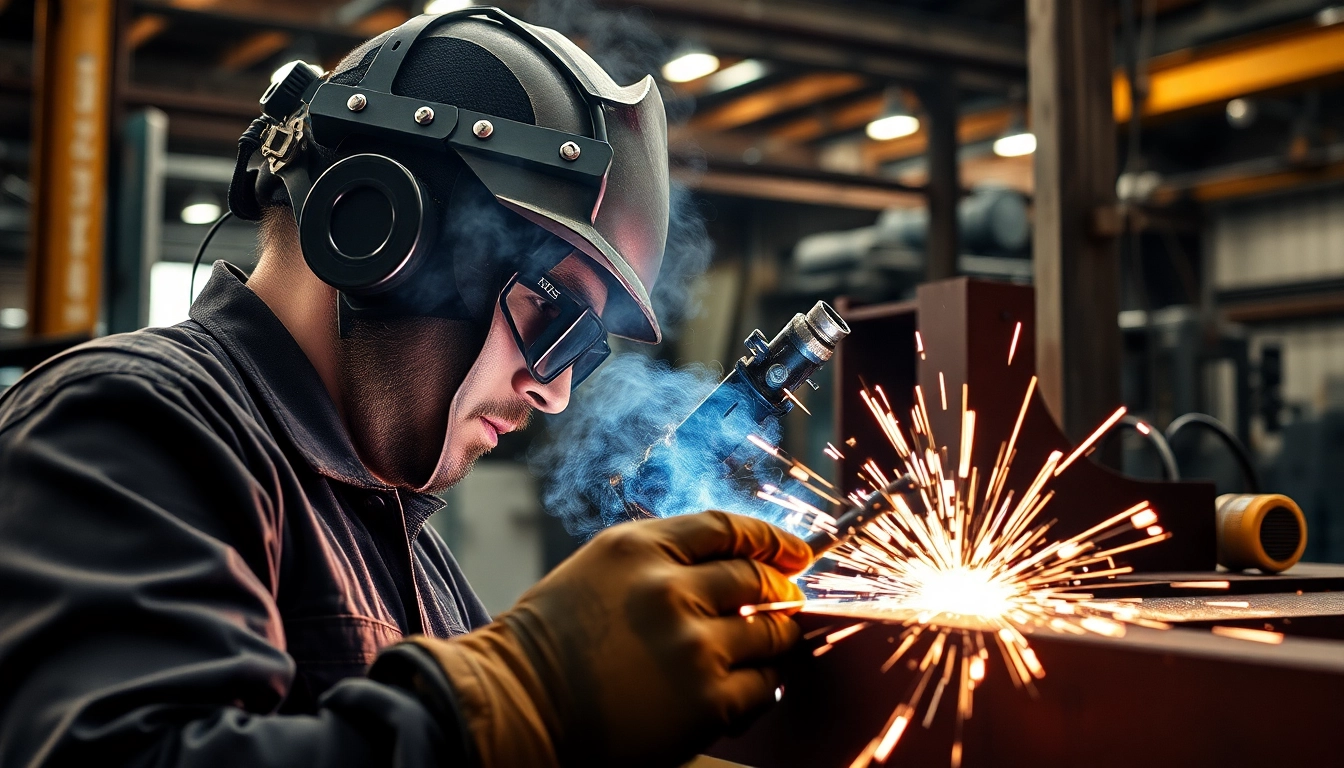
Understanding Structural Steel Welding Fundamentals
Structural steel welding is a crucial process that forms the backbone of numerous construction projects. From skyscrapers to bridges, the strength and durability of welded steel structures ensure safety and longevity. In this article, we will explore the fundamental concepts of structural steel welding, the techniques employed, the tools and equipment necessary for the job, and much more. Understanding the intricate details of this craft is essential for anyone involved in the construction and engineering industries, as it not only affects project outcomes but also influences structural integrity. Engaging with the practical aspects of structural steel welding will deepen your knowledge and enhance your skills.
What is Structural Steel Welding?
Structural steel welding refers to the process of joining steel components together through the application of heat and pressure. This method is integral to the construction of frameworks, beams, and columns that support buildings and infrastructures. The welding process melts the base metal edges and allows them to fuse together upon cooling, resulting in a solid, permanent bond. There are various welding methods tailored to different applications, including Shielded Metal Arc Welding (SMAW), Gas Metal Arc Welding (GMAW), and Flux-Cored Arc Welding (FCAW), to name a few.
Key Techniques in Structural Steel Welding
Mastering structural steel welding involves understanding and implementing several key techniques. Each method has distinct characteristics, advantages, and limitations:
- Shielded Metal Arc Welding (SMAW): Often referred to as stick welding, SMAW is one of the most common welding processes. It uses a consumable electrode coated with a flux to produce the weld. Its simplicity and versatility make it popular in construction environments.
- Gas Metal Arc Welding (GMAW): Also known as MIG welding, GMAW employs a continuous wire feed as an electrode and inert gas to protect the weld pool from contamination. It allows for faster welding speeds and easier operation.
- Flux-Cored Arc Welding (FCAW): This technique is similar to GMAW but uses a tubular wire filled with flux. FCAW can be performed with or without external shielding gas and is particularly useful in outdoor environments.
Essential Tools and Equipment for Steel Welding
Successful structural steel welding requires specialized tools and equipment. Key components include:
- Welder: The welding machine itself, whether it be an SMAW, GMAW, or FCAW unit, is essential for initiating the welding process.
- Protective Gear: Safety is paramount in welding. Welders must wear protective clothing, helmets, gloves, and goggles to shield themselves from sparks and harmful UV radiation.
- Welding Electrodes/Wire: Depending on the welding technique, the choice of electrodes or filler wire is critical for creating a strong bond. Material compatibility and thickness factor heavily in the selection process.
- Welding Consumables: This includes flux and shielding gas, which play a crucial role in protecting the weld area during the process.
- Measuring Tools: Accurate measurement and layout tools are essential for ensuring that welded structures meet design specifications.
Common Applications of Structural Steel Welding
Industry Uses of Structural Steel Welding
Structural steel welding is applied across various industries, including construction, manufacturing, and shipbuilding. It is commonly used in:
- Buildings: Skyscrapers, warehouses, and commercial buildings rely on structural steel frameworks for support.
- Bridges: The stability and load-bearing capabilities of bridges depend heavily on the quality of welding performed on steel components.
- Marine Applications: Ships and offshore structures use welding to ensure watertight integrity and structural stability.
- Heavy Machinery: Welding is critical in the assembly and repair of heavy machinery components, ensuring they can withstand strenuous demands.
Case Studies: Successful Structural Steel Welding Projects
Analyzing successful case studies can provide valuable insights into the practical applications of structural steel welding. For example, the construction of the Burj Khalifa involved intricate welding techniques that contributed to its record height. Detailed planning and execution provided the necessary strength against extreme weather and seismic activity.
Benefits of Proper Welding Techniques
Adopting proper welding techniques not only enhances the quality and safety of structural projects but also leads to long-term benefits, such as:
- Improved Structural Integrity: Proper welding creates strong joints that can endure significant stress and fatigue.
- Cost Efficiency: Quality welds reduce the risk of repair costs down the line.
- Enhanced Durability: Adequate welding processes extend the lifespan of structures, making them safer for the community.
Challenges in Structural Steel Welding
Identifying Common Welding Issues
While welding is a reliable method of joining steel, it is not without challenges. Some common issues include:
- Porosity: Air pockets can form within the weld, weakening the joint.
- Inadequate Penetration: If the weld does not penetrate sufficiently, it may lead to joint failure under load.
- Overheating: Excessive heat can lead to warping and changes in material properties.
Solutions to Welding Problems
Addressing these challenges requires knowledge and experience. Effective solutions include:
- Pre-Weld Inspections: Conducting thorough inspections of materials before welding ensures compatibility and adherence to specifications.
- Adjusting Welding Parameters: Properly calibrating machine settings can mitigate issues such as porosity and inadequate penetration.
- Control of Heat Input: By carefully managing heat input, welders can prevent overheating and warping.
Preventative Measures for Successful Welding
Proactive measures can significantly enhance welding outcomes. Some critical preventative strategies include:
- Proper Training: Ensuring welders are accurately trained in techniques and safety protocols is essential for maintaining high-quality welds.
- Regular Equipment Maintenance: Well-maintained welding equipment ensures reliable performance and minimizes the risk of defects.
- Quality Control Protocols: Implementing stringent quality control measures can help identify issues before they escalate into major problems.
Advanced Techniques in Structural Steel Welding
Innovative Approaches to Enhance Welding Quality
Technology is continually advancing in the field of structural steel welding. Some innovative approaches include the use of automated welding technology, which enhances precision and efficiency. Integration of digital systems enables better monitoring and control during the welding process, reducing human errors while ensuring consistency in welding quality.
A Guide to Robot-Assisted Structural Steel Welding
Robot-assisted welding is revolutionizing the industry by enhancing both productivity and quality. Robotic systems can perform repetitive tasks with higher accuracy than human welders, allowing for increased throughput and reduced labor costs. Furthermore, robots can access difficult-to-reach areas, ensuring welds are executed uniformly across various components.
Future Trends in Steel Welding Technology
The future of steel welding technology holds exciting prospects, including advancements in materials science and welding techniques. Innovations such as laser welding and friction stir welding promise to deliver even stronger and more durable bonds. Additionally, as industries increasingly adopt sustainable practices, there is likely to be a heightened focus on eco-friendly materials and energy-efficient welding processes.
Measuring Success in Structural Steel Welding
Key Performance Indicators in Welding Projects
Measuring success in welding projects can be achieved through several essential performance indicators (KPIs). These metrics typically examine:
- Weld Quality: Ensuring that welds meet predetermined quality standards is critical for structural integrity.
- Efficiency: Evaluating how efficiently resources, including labor and materials, are used can highlight areas needing improvement.
- Safety Compliance: Monitoring safety incidents related to welding tasks ensures that all procedures align with regulations.
Quality Control Practices for Structural Steel Welding
Quality control is a fundamental aspect of structural steel welding that cannot be overlooked. Employing practices such as regular inspections, welding procedure qualification, and non-destructive testing (NDT) methods such as ultrasonic or radiographic testing can help ensure defects are identified and addressed before they compromise integrity.
Post-Welding Inspection and Maintenance
Once the welding process is complete, thorough inspections are necessary to verify the quality of the welds. Post-welding maintenance is also essential to preventing degradation over time. Periodic inspections and maintenance schedules should be established to ensure that structures remain safe and functional throughout their operational life.