Understanding Microwave Oven Basics
What is a Microwave Oven?
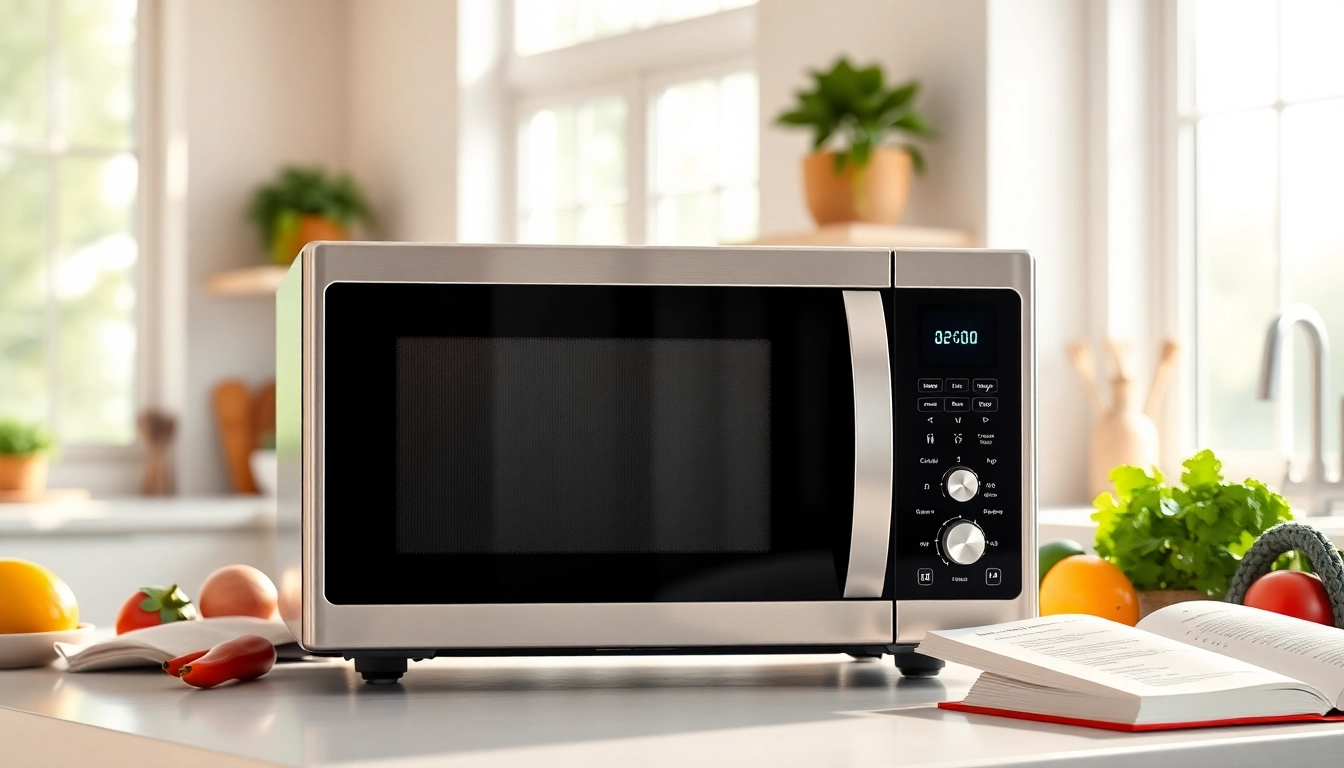
A Microwave Oven is a kitchen appliance that cooks food by using microwave radiation. This type of radiation is part of the electromagnetic spectrum and is capable of heating water molecules within food, leading to faster cooking times compared to conventional ovens. This utilitarian appliance has become a staple in homes worldwide, valued for its efficiency and convenience.
How Microwave Ovens Work
The magic behind the Microwave Oven lies in its ability to emit microwaves through a component known as a magnetron. When you turn on the oven, the magnetron generates microwaves that bounce around the cooking cavity. These waves penetrate the food, causing water molecules to vibrate, generating heat. Consequently, the food cooks almost instantaneously, making the appliance a popular choice for quick meal preparations.
Benefits of Using a Microwave Oven
Microwave ovens offer numerous advantages. One primary benefit is speed; they significantly reduce cooking time compared to traditional methods. Additionally, they are energy-efficient, consuming less power while cooking larger quantities of food. Microwave ovens also retain more nutrients in food, as the cooking processes tend to be shorter. Moreover, modern models come equipped with smart features like sensor cooking, which ensures meals are cooked perfectly every time.
Types of Microwave Ovens
Countertop vs. Built-in Microwave Ovens
Countertop microwave ovens are portable, easily moved, and placed on countertops as their name suggests. They come in various sizes, accommodating different kitchen spaces. Built-in microwave ovens, however, are designed to be installed into cabinetry, providing a seamless look in kitchen designs. These installations may free up countertop space, creating a cleaner and more organized appearance.
Convection Microwave Ovens Explained
Convection microwave ovens combine the features of traditional microwave ovens with convection cooking. By using a fan to circulate hot air within the oven, convection microwaves allow for browning and crisping that standard microwaves cannot achieve. This multifunctionality enhances the cooking process, making it possible to bake, roast, and brown items, offering greater versatility in the kitchen.
Features to Look for in Microwave Ovens
When selecting a microwave oven, consider essential features such as wattage, which directly influences cooking speed; size and capacity for meal preparation; built-in sensors for perfect cooking; preset cooking programs, and ease of cleaning features. Some microwave ovens also include child safety locks, allowing families with young children to use them safely.
Microwave Oven Size and Capacity
Choosing the Right Size for Your Space
Choosing the right size microwave oven involves consideration of your available space and cooking needs. Countertop models vary in size; a compact 0.7 cubic feet is suitable for small spaces, while 1.5 cubic feet and above may serve larger cooking requirements. When choosing, measure your countertop, cabinet heights, and installation areas to ensure a proper fit.
Understanding Capacity Measurements
Microwave oven capacity is measured in cubic feet, indicating the internal space available for cooking. A larger capacity oven allows for heating multiple dishes simultaneously or larger items like a casserole. Understanding these measurements can help you select an appliance that fits your cooking habits and meal requirements.
How Capacity Affects Cooking
Cooking capacity has a direct impact on how food cooks and heats in a microwave oven. A smaller oven might result in uneven cooking for large or dense items. In contrast, a larger capacity microwave oven can accommodate more dishes and facilitate even cooking by allowing microwaves to circulate freely around the food.
Cooking Techniques with a Microwave Oven
Reheating and Defrosting Efficiently
Microwave ovens are incredible for reheating leftovers efficiently without losing texture or flavor. Utilizing the defrost setting is equally valuable for safely thawing food. This can be achieved by selecting the appropriate defrost time based on the weight of the prepared item. This prevents the outer layers from starting to cook while the interior remains frozen.
Cooking Meals with a Microwave Oven
Cooking meals in a Microwave Oven is not only possible but also easy. One can prepare everything from steaming vegetables to baking potatoes. There are numerous recipes tailored for microwave cooking that allow you to harness the rapid power of this appliance, providing efficient meal solutions for busy households.
Tips for Healthy Cooking in a Microwave Oven
When aiming for healthier meals in the Microwave Oven, consider using microwave-safe glass or ceramic containers rather than plastic. Adding a bit of water can help steam food and retain nutrients. Opt for whole food ingredients, which often cook better and maintain more nutrition than processed items.
Maintenance and Troubleshooting Microwave Ovens
Cleaning Your Microwave Oven
Regular maintenance and cleaning of your Microwave Oven are crucial to its longevity and performance. Wiping down the interior and exterior with a damp cloth after use prevents stubborn stains and odors. Using a mixture of vinegar and water can help combat tougher residue. To eliminate odors, placing a bowl of water with lemon juice and heating it can refresh the microwave.
Common Issues and Solutions
Common issues with microwave ovens may include failure to heat, irregular cooking, or strange noises. If the microwave fails to heat, ensure that the door is sealed properly, as it won't operate if ajar. For irregular cooking, consider checking that the turntable is functioning. Unusual noise may require checking for loose components or foreign objects within the cavity.
When to Consider Professional Repair
If your microwave oven shows persistent issues, such as sparking, failure to turn on, or continuous tripping of circuit breakers, it's time to consult a professional. Attempting DIY repairs on components like the magnetron or high-voltage wires can be hazardous and should only be performed by qualified technicians.
Frequently Asked Questions
1. Can a Microwave Oven roast food?
Yes, some convection microwave ovens are designed to roast food effectively, utilizing a fan to circulate hot air.
2. Is it safe to use plastic containers in a Microwave Oven?
Only microwave-safe plastic containers can be used. Check for a microwave-safe label to avoid potential hazards.
3. How can I prevent my Microwave Oven from smelling bad?
Regular cleaning and heating a bowl of water with lemon juice can help eliminate odors in your Microwave Oven.
4. Can I cook popcorn in a Microwave Oven?
Yes, popcorn can be easily cooked in a Microwave Oven using microwave-safe popcorn bags specifically designed for this purpose.
5. What wattage is best for a Microwave Oven?
A higher wattage, typically between 900-1200 watts, is preferred for quicker and more efficient cooking.