Understanding Hydraulic Cylinder Repair
What is Hydraulic Cylinder Repair?
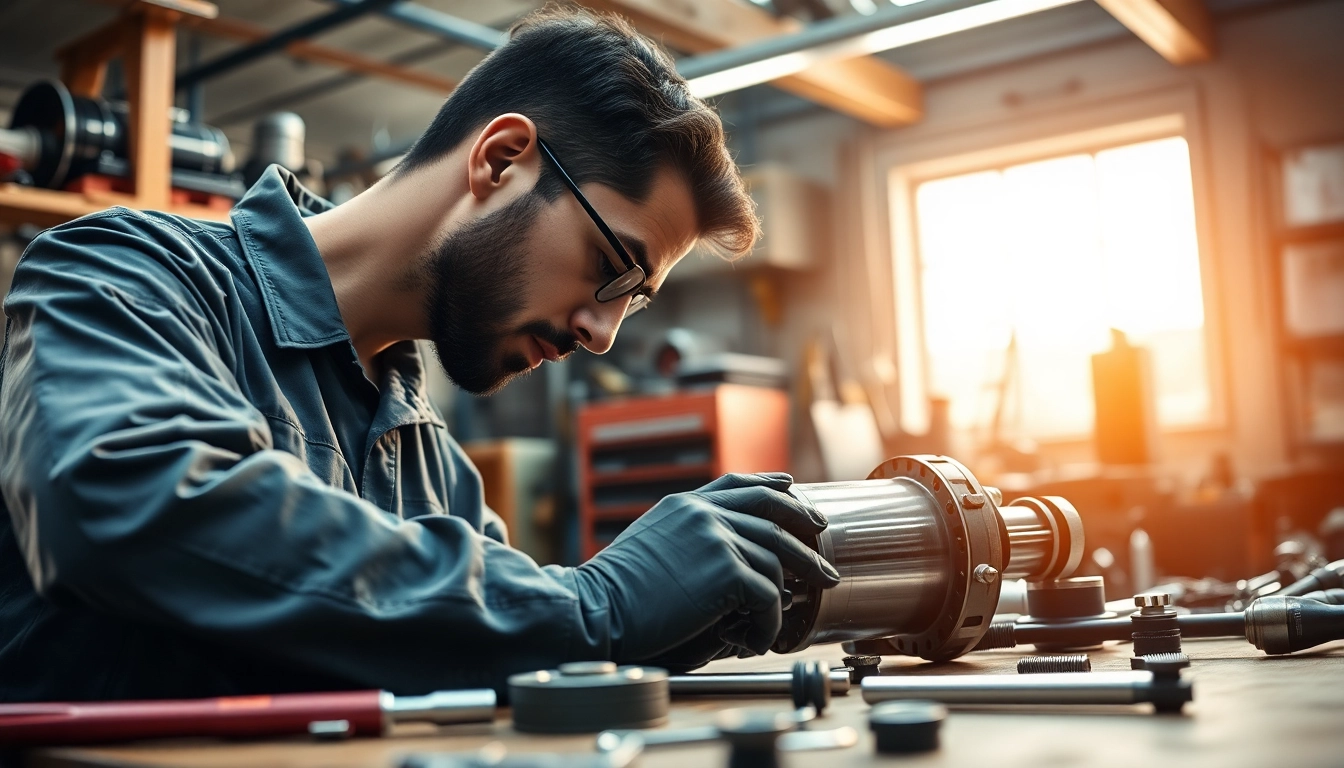
Hydraulic cylinder repair encompasses the process of diagnosing, fixing, and maintaining hydraulic cylinders that have experienced malfunction or degradation. A hydraulic cylinder is a critical component in many machinery and systems, providing necessary power through the hydraulic force. When these cylinders fail, it can lead to significant downtime and financial losses. Thus, understanding the nuances of hydraulic cylinder repair is essential for operators and technicians alike.
Common Issues Prompting Repair
Several issues can arise that necessitate repair of hydraulic cylinders. The most common include:
- Leakage: Often caused by worn seals or gaskets, leading to loss of hydraulic fluid and reduced efficiency.
- Corrosion: Exposure to moisture and contaminants can corrode cylinder surfaces, jeopardizing structural integrity.
- Contamination: Dirt, debris, or contamination in the hydraulic fluid can lead to component failure.
- Damaged Piston Rod: Impacts and poor handling can lead to bending or pitting, affecting operational performance.
- Aging Components: As hydraulic systems age, components can wear, leading to decreased effectiveness.
Tools and Components Needed for Repair
To effectively repair hydraulic cylinders, technicians require specific tools and components. Essential items include:
- Socket Set: For loosening and tightening bolts and fittings.
- Seal Kits: To replace any worn seals and gaskets promptly.
- Hydraulic Oil: Required for refilling the system after repairs.
- Cleaning Supplies: Solvents, brushes, and cloths to clean components thoroughly.
- Torque Wrench: Ensures fittings are secured to the correct specifications.
Steps to Successfully Repair a Hydraulic Cylinder
Preparation and Safety Protocols
Before beginning any repair, it is crucial to prepare adequately and follow safety protocols. Steps include:
- Safety Gear: Always wear appropriate personal protective equipment (PPE), including gloves, goggles, and safety shoes.
- Work Area Setup: Ensure the work area is clean and organized, minimizing risks of accidents.
- Power Down: Disconnect all hydraulic lines and power sources to prevent unintended activation.
- Fluid Disposal: Have containers ready to collect any waste hydraulic fluid safely.
Disassembly of the Hydraulic Cylinder
To repair a hydraulic cylinder, disassembly is often required. Follow these steps:
- Drain the Fluid: Open the cylinder’s ports to drain fluid fully before removal.
- Remove Cylinder: Disconnect hoses and fittings, then remove the cylinder from its mount.
- Disassemble Components: Carefully disassemble the cylinder, starting from the end caps.
Inspecting and Cleaning Components
Once disassembled, inspect each part for damage and cleanliness:
- Visual Inspection: Look for scratches, dents, or other signs of wear.
- Cleaning: Use appropriate solvents and tools to clean all components. Ensure no debris remains that could lead to future failures.
- Replacing Worn Parts: Replace any faulty seals, rings, or components that are not up to specifications.
Best Practices for Hydraulic Cylinder Maintenance
Regular Inspections to Prevent Failures
Routine inspections are crucial for prolonging the life of hydraulic cylinders and should include:
- Checking for leaks around seals and fittings.
- Assessing fluid levels and quality regularly to avoid contamination.
- Monitoring the performance and efficiency of the cylinder during operations.
Proper Storage and Handling Techniques
Handling and storing hydraulic cylinders correctly can significantly impact their longevity:
- Keep cylinders in a clean, dry environment to reduce the risk of corrosion.
- Store them in a horizontal position to prevent bending of the piston rods.
- Ensure that protective caps are in place to keep contaminants out of the ports.
When to Choose Repair Over Replacement
Determining whether to repair or replace a hydraulic cylinder hinges on several factors:
- Cost: Repairs are typically more affordable than replacements for minor issues.
- Extent of Damage: If the damage is severe, replacement might be the better option.
- Age of Equipment: Older cylinders may have obsolescence issues, affecting repair parts availability.
Cost Considerations for Hydraulic Cylinder Repair
Factors Influencing Repair Costs
The cost of hydraulic cylinder repair can vary widely based on several factors:
- Cylinder Size: Larger cylinders may require more extensive work, increasing costs.
- Damage Severity: More complex repairs lead to higher charges for labor and parts.
- Location: Service rates can differ based on geographical area and accessibility.
Cost Comparisons: Repair vs. Replacement
When evaluating costs between repairing and replacing hydraulic cylinders:
- Repairs can often be done for a fraction of the cost of a new cylinder.
- Replacement may bring benefits such as enhanced performance and warranty coverage.
- Consider the long-term operational expense and efficiency of both options.
Insurance and Warranty Policies
Insurance and warranty coverage can significantly affect costs:
- Check if your current insurance policy covers repairs or replacements.
- Understand any warranties offered on repairs to ensure they comply with your expectations.
- Be aware of the terms and conditions that could affect future maintenance costs.
FAQs About Hydraulic Cylinder Repair
What causes hydraulic cylinders to leak?
Leaking typically results from worn seals or damaged components. Regular maintenance can help identify potential issues early.
How often should hydraulic cylinders be serviced?
A general guideline is to service hydraulic cylinders annually or after a specific hours of operation, presuming high usage rates.
Is hydraulic cylinder repair possible for all cylinders?
Most hydraulic cylinders can be repaired, but the feasibility depends on the extent of damage and type of materials used.
What safety precautions should be taken during repairs?
Always wear PPE, ensure equipment is powered down, and handle hydraulic fluids with care to avoid hazards.
How long does hydraulic cylinder repair typically take?
The time required for a repair can vary from a few hours to several days, depending on the complexity of the damage and parts availability.