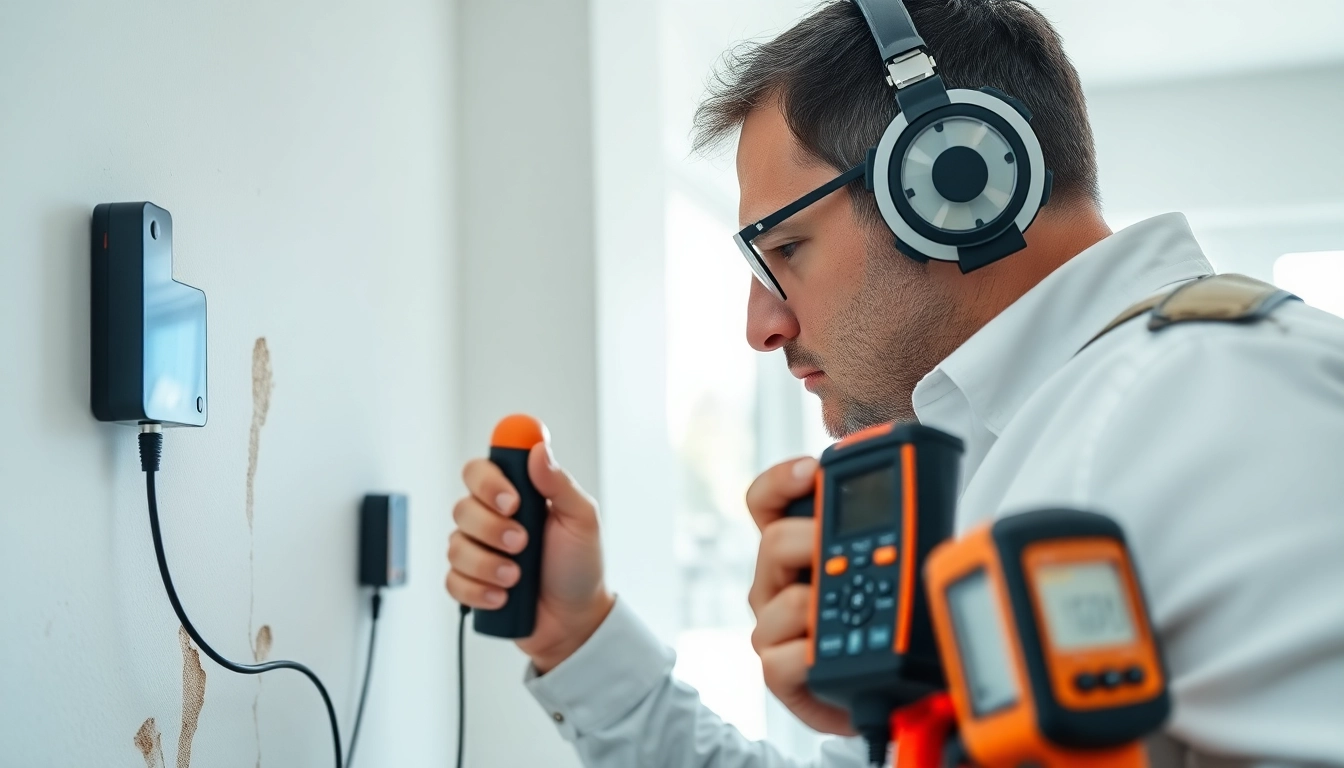
Understanding Leak Detection
Leak detection is an essential service for maintaining the integrity and safety of your property. With the increasing awareness of water conservation and sustainability, effective leak detection has emerged as a critical component in home maintenance strategies. This article explores the concept of leak detection, various methods employed, its importance, advancements in technology, and the benefits of professional services. Whether you are a homeowner wanting to protect your investment or a property manager seeking to ensure tenant satisfaction, understanding leakage issues can save you significant time and money.
What is Leak Detection?
Leak detection is the process of identifying and locating leaks in various systems, such as plumbing, HVAC, and roofing. It encompasses both residential and commercial settings, utilizing modern technology to detect leaks before they lead to extensive damage. Common types of leaks include water, gas, and air leaks, each requiring different detection approaches. Detecting leaks involves both visual inspection and the use of sophisticated equipment designed to find invisible leaks that can cause severe damage over time.
Common Methods of Leak Detection
There are several established methods for leak detection, each with its strengths and suitability based on the environment and type of leak:
- Visual Inspection: The simplest method involves a thorough visual examination of the suspect area for visible signs of water or moisture.
- Pressure Testing: This technique is commonly used for plumbing systems. It involves using pressure gauges to determine if there are drops in pressure, indicating a leak.
- Infrared Thermography: This non-invasive technique uses infrared cameras to detect temperature variations that may indicate the presence of moisture.
- Acoustic Detection: Acoustic leak detection uses sensitive microphones to listen for sounds of leaks in plumbing systems, especially useful for detecting underground leaks.
- Tracer Gas Detection: This advanced method involves injecting a harmless gas into plumbing to identify leaks by tracking gas escape points, making it highly accurate.
Importance of Leak Detection in Home Maintenance
Proactive leak detection is essential for multiple reasons:
- Preventing Structural Damage: Small leaks can lead to significant structural issues such as mold growth, weakening of walls, and foundational damage over time.
- Reducing Water Bills: Identifying and fixing leaks can significantly reduce water bills, as even minor leaks waste significant amounts of water each month.
- Improving Indoor Air Quality: Leaks can create conditions favorable for mold and mildew growth, negatively impacting indoor air quality.
- Ensuring Safety: Gas leaks can pose severe safety hazards; immediate detection and rectification can prevent explosions and health issues.
Technological Innovations in Leak Detection
Technological advancements have revolutionized leak detection, bringing efficiency and accuracy to the process. Modern techniques and tools are crucial for preventing damage before it escalates.
Advanced Tools for Efficient Leak Detection
Several innovative tools have emerged, making leak detection more efficient:
- Smart Leak Detectors: These devices monitor moisture levels and can send alerts to homeowners' smartphones in case of leaks.
- Infrared Cameras: High-resolution infrared cameras can help visualize heat variations caused by leaks, particularly useful in commercial settings.
- Aquaflex Systems: These systems utilize flexible hoses equipped with sensors that continuously monitor water usage and alert homeowners of any unusual activity.
The Role of Acoustic and Infrared Technologies
Two of the most critical methods in modern leak detection are acoustic and infrared technologies:
Acoustic Technology: Utilizing sensitive listening devices, this method detects the sound of water escaping through cracks or holes in pipes. It's particularly effective for underground leaks, where visual inspection is impossible.
Infrared Technology: This technology uses infrared cameras to visualize temperature differences associated with moisture presence. Areas with leaks will often show a cooler temperature due to the evaporation of water. This method is non-invasive and can be used to inspect large areas quickly.
Comparative Analysis of Leak Detection Methods
Each method of leak detection comes with its own set of benefits and limitations:
MethodAdvantagesDisadvantagesVisual InspectionSimple, low-cost, quick resultsMay miss hidden leaksPressure TestingEffective for plumbing systemsRequires professional expertiseInfrared ThermographyNon-invasive, quickRequires trained personnelAcoustic DetectionHighly responsive for underground leaksCan be affected by ambient noiseTracer Gas DetectionHighly accurate, can locate underground leaksEquipment can be expensive
Cost Factors for Leak Detection Services
Understanding the cost of leak detection services is essential for homeowners and property managers alike. Costs can vary widely based on various factors.
Typical Pricing and Cost Variations
The cost of professional leak detection services typically ranges from $175 to $350. However, various factors can influence pricing:
- Type of Detection Method: Advanced methods like infrared thermography or tracer gas detection may incur higher costs due to specialized equipment and expertise required.
- Property Size: Larger properties may necessitate more time and equipment to conduct thorough inspections, increasing service costs.
- Urgency: Emergency leak detection services may be charged at a premium rate during non-business hours.
What Influences Leak Detection Costs?
Cost variations in leak detection can be attributed to several factors:
- Location: The geographical location can significantly influence labor costs, especially in urban areas.
- Complexity of the Issue: The extent of the leak and the difficulty of access will impact labor and equipment costs.
- Experience of the Service Provider: Established companies with a proven track record may charge more for their expertise.
Estimating DIY Leak Detection Expenses
Homeowners may opt for DIY leak detection as a cost-saving measure. However, it's essential to be aware of potential expenses:
- Basic Tools: Purchasing tools like hygrometers or moisture meters may range from $50 to $200.
- Monitoring Systems: Implementing smart water monitoring systems can cost anywhere from $100 to $300.
- Time and Labor: While DIY may save on professional fees, consider the value of time and potential for misdiagnosis.
Benefits of Professional Leak Detection
Investing in professional leak detection services comes with numerous benefits that ultimately outweigh the initial costs. Here are some of the key advantages:
Preventing Water Damage and Costly Repairs
One of the primary goals of leak detection is to prevent water damage. Early identification of a minor leak can prevent eventual catastrophic failures that lead to expensive repairs. For instance, a small leak in a pipe can lead to significant structural damage and mold infestation, costing thousands of dollars to remedy.
Time Efficiency with Expert Services
Professional leak detection services are efficient. Experts are equipped with advanced tools and have the experience to identify and resolve leaks quickly. This efficiency not only saves time for homeowners but also reduces the time that any potential damage has to occur.
Peace of Mind and Home Safety
Knowing that your home is free from leaks provides peace of mind. Furthermore, professional services often include comprehensive reports and recommendations that help maintain overall plumbing and infrastructure integrity, ensuring long-term safety.
Implementing Leak Detection Strategies
To achieve effective leak detection, homeowners can adopt specific strategies. Here are some actionable steps:
Steps to Prepare for Professional Services
- Document Symptoms: Keep track of any visible signs of leaks, unusual sounds, or increased water bills.
- Know Your Plumbing Layout: Familiarize yourself with your home’s plumbing system to provide information to technicians.
- Schedule Regular Check-ups: Plan for periodic inspections, especially if your head has experienced past leaks.
Tips for Homeowners to Identify Leaks Early
Here are some proactive approaches for homeowners to catch leaks early:
- Monitor Water Bills: Unexpected increases in your water bill can signal hidden leaks.
- Inspect Appliances: Regularly check appliances, such as refrigerators and washing machines, for signs of leaks or wear.
- Listen for Sounds: Pay attention to unusual sounds, such as dripping or running water, especially in quiet times.
Long-term Maintenance After Leak Detection
After a leak has been detected and repaired, long-term maintenance is essential:
- Regular Inspections: Schedule regular plumbing inspections, especially before adverse weather seasons.
- Maintain Visibility: Keep access points to plumbing easily reachable, minimizing barriers to future inspections.
- Invest in Technology: Consider smart home systems that monitor water usage and detect leaks actively.