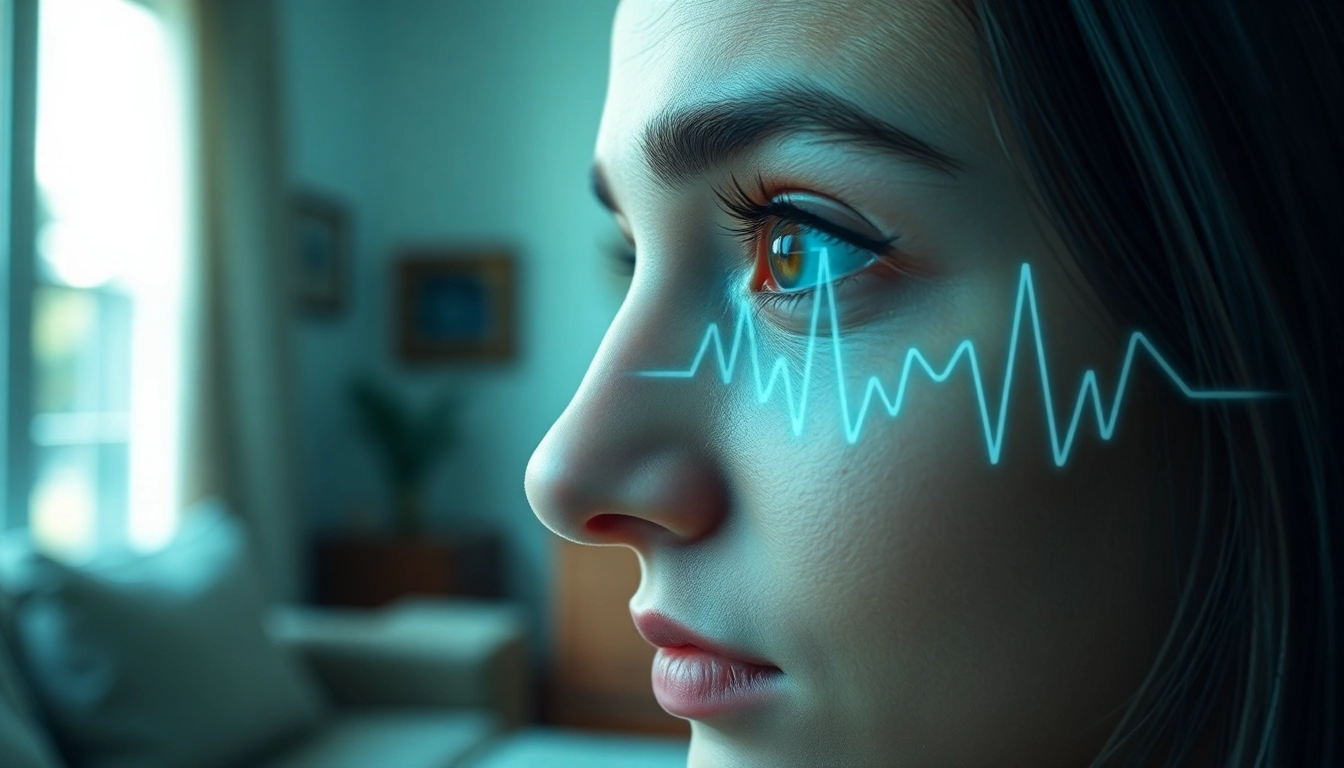
Understanding Anxiety Symptoms
Anxiety is an emotion we all feel at times, but when it escalates into a state that disrupts daily life, it becomes a serious issue. Recognizing anxiety symptoms is the first step towards managing and taking control of this condition. In this article, we will delve deep into anxiety symptoms, their causes, coping mechanisms, long-term effects of untreated anxiety, and answer common questions that arise regarding this emotional state.
What are Anxiety Symptoms?
Anxiety symptoms encompass a variety of emotional and physical responses. These can range from mild feelings of nervousness to debilitating panic attacks. Symptoms often manifest differently for everyone, indicating the complexity of anxiety disorders. Understanding these symptoms is crucial for early detection and management.
Common Emotional Signs
- Persistent Worry: Many individuals experience chronic worrying about everyday situations.
- Restlessness: A common trait among those with anxiety is an inability to rest, feeling constantly on edge.
- Fear: Dread is prominent, often accompanied by irrational fears that are disproportionate to the actual situation.
- Difficulty Concentrating: Individuals may find it challenging to focus on activities or tasks.
- Feeling Overwhelmed: Simple decisions can feel monumental when engulfed by anxiety, creating an emotional paralysis.
Physical Manifestations of Anxiety Symptoms
Physical symptoms often accompany emotional signs, adding to the discomfort of anxiety. These can include:
- Increased Heart Rate: Many experience palpitations or a racing heart.
- Sweating: Excessive sweating not related to temperature can be indicative.
- Fatigue: Daily fatigue often arises from acting on anxiety constantly.
- Digestive Issues: Anxiety can lead to nausea, diarrhea, or stomach cramps.
- Muscle Tension: Chronic tension can lead to pain and discomfort, particularly in the neck and shoulders.
Causes of Anxiety Symptoms
Understanding what causes anxiety symptoms is key to managing them effectively. While anxiety can sometimes be attributed to specific triggers, it often results from a complex interplay of multiple factors.
Environmental Triggers
Environmental factors can significantly contribute to anxiety. This may include stressful jobs, difficult relationships, or other life events.
For instance, a person may develop anxiety symptoms as a response to a tragic event, ongoing financial stress, or relational conflicts. Identifying these triggers can provide insights into personal anxiety patterns.
Genetic Factors Influence
Research indicates a genetic component to anxiety disorders. If family members have experienced anxiety, an individual may have a heightened risk for developing similar symptoms. Genetic predisposition can interact with environmental factors, promoting the condition.
Psychological Aspects to Consider
Cognitive processes can also play a significant role in anxiety symptoms. Individuals who tend to think negatively or have a heightened sensitivity to perceived threats may be more likely to experience anxiety. Psychological factors, including childhood experiences and trauma, can lead to long-term anxiety issues.
Coping Strategies for Anxiety Symptoms
Coping with anxiety requires a multifaceted approach. In this section, we explore practical strategies that can alleviate symptoms and promote resilience.
Lifestyle Changes to Implement
Incorporating healthy habits can significantly reduce anxiety symptoms. Here are a few lifestyle changes to consider:
- Regular Exercise: Physical activity releases endorphins, which can elevate mood and reduce anxiety.
- Balanced Diet: Consuming a well-rounded diet supports brain health and can influence mood positively.
- Adequate Sleep: Sleep deprivation can exacerbate anxiety symptoms; aiming for 7-9 hours is essential.
- Limiting Caffeine and Alcohol: Both substances can provoke anxiety symptoms; moderating intake can help.
- Structured Routine: A regular schedule can provide a sense of stability and predictability.
Mindfulness and Relaxation Techniques
Incorporating mindfulness and relaxation techniques can also be beneficial in managing anxiety. Some techniques include:
- Meditation: Taking time daily to meditate can reduce anxiety levels.
- Deep Breathing Exercises: Controlled breathing can rapidly lower acute anxiety feelings.
- Yoga: Combining movement with mindful awareness can create a calming effect.
- Journaling: Writing down thoughts and emotions can provide clarity and relief.
Professional Help and Therapies
If self-help strategies do not alleviate anxiety symptoms, seeking professional help may be necessary. Therapeutic approaches include:
- Cognitive Behavioral Therapy (CBT): CBT is effective in changing negative thought patterns associated with anxiety.
- Medication: Doctors may prescribe medications to help manage symptoms in some cases.
- Group Therapy: Sharing experiences with others can foster understanding and support.
Long-Term Effects of Untreated Anxiety Symptoms
Neglecting anxiety symptoms can have profound impacts on an individual's life, relationships, and overall health.
Impact on Daily Life and Relationships
When untreated, anxiety symptoms can lead to withdrawal from social interactions, affecting relationships with family, friends, and colleagues. The deterioration in communication can isolate individuals, perpetuating the cycle of anxiety.
Health Consequences Over Time
Chronic anxiety is linked to numerous health issues such as gastrointestinal problems, heart disease, and a weakened immune system. Sustained stress may contribute to long-term physical health complications that compromise well-being.
Importance of Early Intervention
Recognizing and addressing anxiety symptoms early on can prevent the condition from escalating. Early intervention can lead to more effective management and recovery, helping individuals regain their quality of life more quickly.
Frequently Asked Questions about Anxiety Symptoms
How can I identify if I have anxiety symptoms?
Look for persistent feelings of worry, fear, or restlessness that interfere with daily activities.
What are common physical anxiety symptoms?
Physical symptoms include increased heart rate, fatigue, sweating, and stomach issues.
Can anxiety symptoms worsen over time?
Yes, if left unaddressed, anxiety symptoms can intensify and significantly impact your overall health.
Are there natural ways to manage anxiety symptoms?
Techniques such as regular exercise, meditation, and controlled breathing can help alleviate symptoms.
When should I seek professional help for anxiety symptoms?
Consider professional help if anxiety begins to affect your daily life or functioning significantly.