

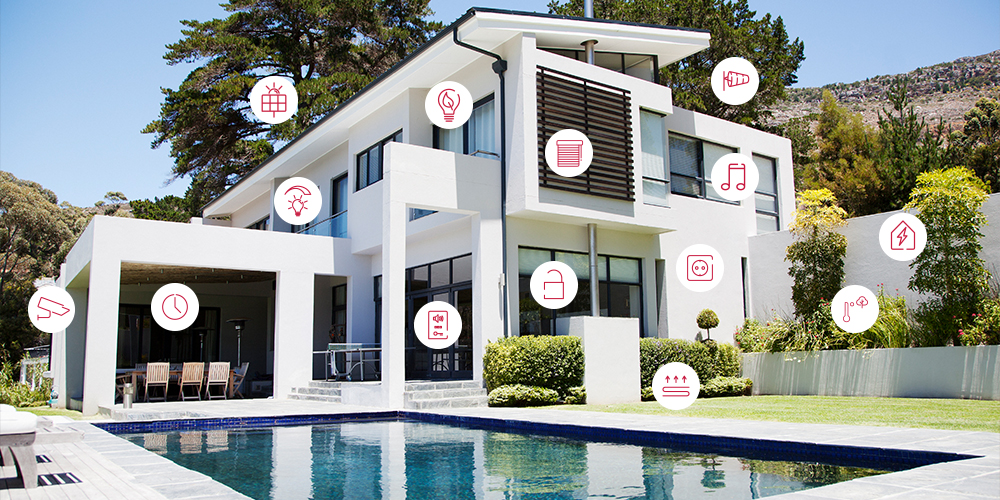
The modern Smart Home has moved far beyond basic automation and remote-controlled devices. Today, smart home technology is redefining convenience by learning user behavior, anticipating needs, and seamlessly integrating into daily life. What once felt futuristic is now becoming standard in homes around the world. From intelligent automation to AI-driven personalization, current smart home trends are delivering next-generation convenience that enhances comfort, efficiency, security, and overall quality of living.
The Evolution of Smart Home Living
Smart home innovation has accelerated rapidly over the last decade. Early systems focused on simple tasks such as turning lights on and off remotely. Today’s smart home environments are intelligent ecosystems capable of adapting in real time.
From Manual Control to Predictive Automation
Modern smart home systems no longer rely solely on manual commands. Instead, they analyze user behavior to automate actions proactively. Lighting adjusts based on occupancy, climate systems respond to weather patterns, and security systems adapt to routines without constant user input.
The Shift Toward Experience-Centered Design
Current smart home trends emphasize user experience rather than isolated features. Devices are designed to blend into daily routines, reducing friction and enhancing convenience without requiring constant attention or technical expertise.
Why Convenience Is Driving Adoption
Convenience is the primary reason many homeowners adopt smart home technology. The ability to manage multiple aspects of the home effortlessly, whether on-site or remotely, aligns perfectly with modern lifestyles that value efficiency and control.
AI-Powered Smart Home Intelligence
Artificial intelligence is at the core of next-generation smart home trends. AI transforms automation into intelligent decision-making.
Learning User Habits and Preferences
AI-driven smart home systems learn daily routines, preferences, and patterns over time. This learning allows devices to anticipate needs, such as adjusting lighting before bedtime or optimizing temperature based on historical behavior.
Adaptive Responses in Real Time
AI enables smart home systems to respond dynamically to changes in the environment. For example, smart thermostats adjust heating or cooling based on occupancy, time of day, and weather forecasts, delivering comfort without manual intervention.
Enhancing Convenience Through Voice and Context
Voice assistants combined with AI understand context better than ever before. Smart home commands are becoming more conversational, allowing users to control multiple functions with minimal effort.
Seamless Device Integration Across the Smart Home
One of the most significant smart home trends is seamless integration. Devices no longer operate in silos but function as part of a unified ecosystem.
Unified Platforms and Ecosystems
Modern smart home platforms bring lighting, security, climate control, and entertainment into a single interface. This centralized control simplifies management and enhances convenience.
Cross-Device Automation Scenarios
Integration allows devices to work together intelligently. For instance, arriving home can trigger lights, adjust temperature, disarm security, and play music automatically, creating a smooth and welcoming experience.
Reduced Complexity for Everyday Users
As integration improves, smart home systems are becoming more accessible. Users no longer need advanced technical knowledge to enjoy sophisticated automation and convenience.
Voice Control as a Standard Smart Home Feature
Voice control has become a defining feature of the smart home experience, offering hands-free convenience that fits seamlessly into daily routines.
Natural Language Processing Improvements
Advancements in natural language processing allow smart home systems to understand complex commands and conversational speech. Users can control multiple devices with a single request.
Multi-Room and Context-Aware Commands
Voice-controlled smart home systems recognize where commands are issued and respond accordingly. This contextual awareness enhances convenience by delivering accurate results without additional clarification.
Accessibility and Inclusivity Benefits
Voice control improves accessibility for users of all ages and abilities. This trend highlights how smart home technology enhances convenience while promoting inclusive design.
Smart Home Automation for Energy Efficiency
Energy efficiency is a major driver of smart home adoption, combining convenience with sustainability.
Intelligent Climate Management
Smart thermostats automatically regulate temperature based on occupancy and preferences. This automation ensures optimal comfort while minimizing energy waste.
Smart Lighting and Power Management
Lighting systems adjust brightness and timing automatically, while smart plugs manage power consumption. These features reduce manual effort and improve efficiency.
Data-Driven Energy Insights
Modern smart home systems provide detailed energy usage insights. Homeowners can monitor consumption patterns and make informed decisions without sacrificing convenience.
Next-Generation Smart Home Security Trends
Security remains a critical component of smart home innovation, with trends focusing on intelligent protection and ease of use.
Proactive Threat Detection
Smart home security systems now use AI to detect unusual patterns and potential threats. This proactive approach enhances safety while reducing false alarms.
Integrated Cameras, Sensors, and Alerts
Security devices work together seamlessly, providing real-time alerts and visual confirmation. This integration delivers peace of mind with minimal user effort.
Convenience Through Remote Monitoring
Remote access allows homeowners to monitor and control security systems from anywhere. This flexibility aligns with modern lifestyles and travel habits.
Smart Home Personalization and Customization
Personalization is a defining trend in smart home convenience. Systems adapt to individual preferences, creating tailored experiences.
User Profiles and Individual Settings
Smart home systems support multiple user profiles, ensuring personalized settings for lighting, temperature, and entertainment. This customization enhances comfort and satisfaction.
Time-Based and Contextual Automation
Automation rules adjust based on time, location, and activity. This context-aware functionality ensures convenience without constant user input.
Evolving Preferences Through Machine Learning
Machine learning allows smart home systems to refine personalization over time. As preferences change, the system adapts seamlessly.
Smart Home Entertainment Trends
Entertainment is becoming a fully integrated part of the smart home ecosystem, delivering immersive and convenient experiences.
Centralized Media Control
Smart home platforms unify control of TVs, speakers, and streaming services. This centralized approach simplifies entertainment management.
Multi-Room Audio and Video Synchronization
Modern smart home systems support synchronized media across multiple rooms. Users enjoy seamless entertainment experiences throughout the home.
Voice and Automation Integration
Entertainment systems respond to voice commands and automation rules, enhancing convenience during daily routines and gatherings.
Smart Kitchen and Appliance Innovations
The kitchen is emerging as a focal point for smart home convenience, driven by intelligent appliances and automation.
Connected Appliances for Everyday Efficiency
Smart refrigerators, ovens, and dishwashers optimize performance and provide status updates. These features save time and reduce manual monitoring.
Automation for Meal Planning and Preparation
Smart home trends include appliances that assist with meal planning, cooking schedules, and inventory management, enhancing convenience in daily life.
Integration With Broader Home Systems
Kitchen appliances integrate with lighting, ventilation, and energy management systems, creating a cohesive and efficient environment.
Health and Wellness Trends in the Smart Home
Smart home technology is increasingly supporting health and wellness, adding a new dimension of convenience.
Smart Air Quality and Climate Monitoring
Sensors monitor air quality, humidity, and temperature, adjusting systems automatically to maintain a healthy environment.
Sleep and Lifestyle Optimization
Smart home systems support better sleep through lighting, temperature, and noise control. These features enhance overall well-being without added effort.
Remote Health and Safety Monitoring
For families and caregivers, smart home technology offers tools for monitoring safety and wellness, providing peace of mind through convenience.
Smart Home Connectivity and Network Advancements
Reliable connectivity is essential for next-generation smart home convenience.
Faster and More Stable Networks
Advancements in home networking ensure faster communication between devices, reducing latency and improving reliability.
Interoperability Standards
Industry-wide standards are improving compatibility between devices, simplifying setup and expansion of smart home systems.
Future-Proofing Smart Home Investments
Improved connectivity ensures that smart home systems remain adaptable to future innovations and updates.
Sustainability and Eco-Friendly Smart Home Trends
Sustainability is increasingly integrated into smart home convenience.
Automated Resource Management
Smart home systems optimize water, electricity, and heating usage automatically, reducing waste without sacrificing comfort.
Sustainable Materials and Design
Manufacturers are incorporating eco-friendly materials into smart home devices, aligning convenience with environmental responsibility.
Long-Term Cost Savings
Sustainable smart home trends deliver financial benefits over time, combining convenience with responsible living.
The Role of Data and Privacy in Smart Home Convenience
As smart home systems become more advanced, data management and privacy are critical considerations.
Secure Data Handling and Encryption
Modern smart home systems prioritize data security through encryption and secure protocols, ensuring convenience without compromising privacy.
User Control Over Data Sharing
Homeowners have greater control over how data is collected and used, balancing personalization with privacy preferences.
Transparency and Trust in Smart Home Technology
Clear policies and user education build trust, encouraging adoption of smart home convenience features.
Smart Home Trends Shaping Everyday Life
The cumulative impact of smart home trends is transforming everyday living.
Reduced Cognitive Load and Effort
Automation reduces the need for constant decision-making, allowing homeowners to focus on what matters most.
Consistent Comfort and Efficiency
Smart home systems maintain optimal conditions automatically, delivering reliable convenience throughout the day.
A More Connected and Responsive Home
The modern smart home responds intuitively to users, creating a living environment that feels both intelligent and effortless.
Preparing for the Future of Smart Home Convenience
The pace of innovation shows no signs of slowing, and homeowners can prepare to take full advantage of emerging trends.
Planning for Scalable Systems
Choosing flexible platforms ensures that smart home systems can evolve with future technologies.
Balancing Innovation With Simplicity
While advanced features offer value, simplicity remains essential for sustained convenience and usability.
Embracing Continuous Improvement
Smart home systems improve through updates and learning, delivering increasing convenience over time.
Conclusion
Smart home trends are bringing next-generation convenience into everyday life by combining intelligence, integration, and personalization. From AI-driven automation and seamless device ecosystems to energy efficiency, security, and wellness support, the modern smart home is designed to simplify living while enhancing comfort and control. As these trends continue to evolve, smart home technology will become even more intuitive, adaptive, and indispensable, redefining what convenience truly means in the connected home. Explore featured stories and top recommendations on the main page.
FAQs
How do smart home trends improve daily convenience?
Smart home trends improve convenience by automating routine tasks, learning user preferences, and integrating devices into a single ecosystem that responds intelligently to daily needs.
Are modern smart home systems difficult to use?
Most modern smart home systems are designed with user-friendly interfaces, voice control, and automation that reduce complexity and make advanced features accessible to everyday users.
Can smart home technology adapt as my lifestyle changes?
Yes, smart home systems use machine learning and customizable automation to adapt as routines, preferences, and household needs evolve over time.