What is a Videographer?
Definition and Core Responsibilities
A Videographer is a skilled professional who specializes in capturing imagery through video production. Their role extends beyond just operating a camera; they are responsible for the entire production process, from pre-production planning to capturing footage to post-production editing. This multifaceted role places videographers at the heart of visual storytelling. They work in various contexts, including corporate events, weddings, documentaries, and creative projects, translating concepts into engaging visual narratives.
Skills Required to Succeed as a Videographer
Success in videography demands a unique blend of technical skills and creative vision. Here are several essential skills every videographer should possess:
- Technical Proficiency: Familiarity with camera equipment, lighting setups, and audio recording techniques is vital. Understanding shooting angles, composition, and the workflow of post-production editing software also enhances a videographer’s capabilities.
- Storytelling Ability: A great videographer knows how to craft a narrative through visual elements. They must think critically about how footage can communicate messages and emotions effectively.
- Attention to Detail: The success of any video lies in the details. This includes framing a shot correctly, ensuring audio clarity, and meticulously editing to create a seamless final product.
- Communication Skills: Working with clients, directing talent, and collaborating with crew members demands strong interpersonal skills. A videographer must understand client needs and convey their creative vision accurately.
- Problem-Solving: Challenges often arise in the field, such as technical difficulties or unexpected changes in location or lighting. Being adaptable and resourceful is crucial for overcoming these hurdles.
Common Uses for Videography
The applications of videography are expansive, covering a range of industries and purposes:
- Corporate Videos: Companies utilize videographers for promotional content, training materials, and internal communications to effectively engage their targets.
- Event Coverage: Capturing significant moments at weddings, conferences, and other events allows videographers to create memorable visual records.
- Commercial Advertisements: Engaging consumers through compelling video ads on social media and television enhances brand visibility and appeal.
- Documentaries: Many videographers specialize in documentary filmmaking, showcasing real-life stories and important societal issues through artful storytelling.
The Importance of Videography in Various Industries
Corporate Videography: Capturing Brand Stories
In the corporate sector, videography plays a pivotal role in shaping brand narratives. Companies leverage high-quality video content to present their mission, values, and services compellingly. Corporate video production can range from promotional and training videos to advertisements and investor presentations. Video is effective because it combines visuals and audio, conveying messages more powerfully than text or images alone.
Event Coverage: Engaging Audiences in Real-Time
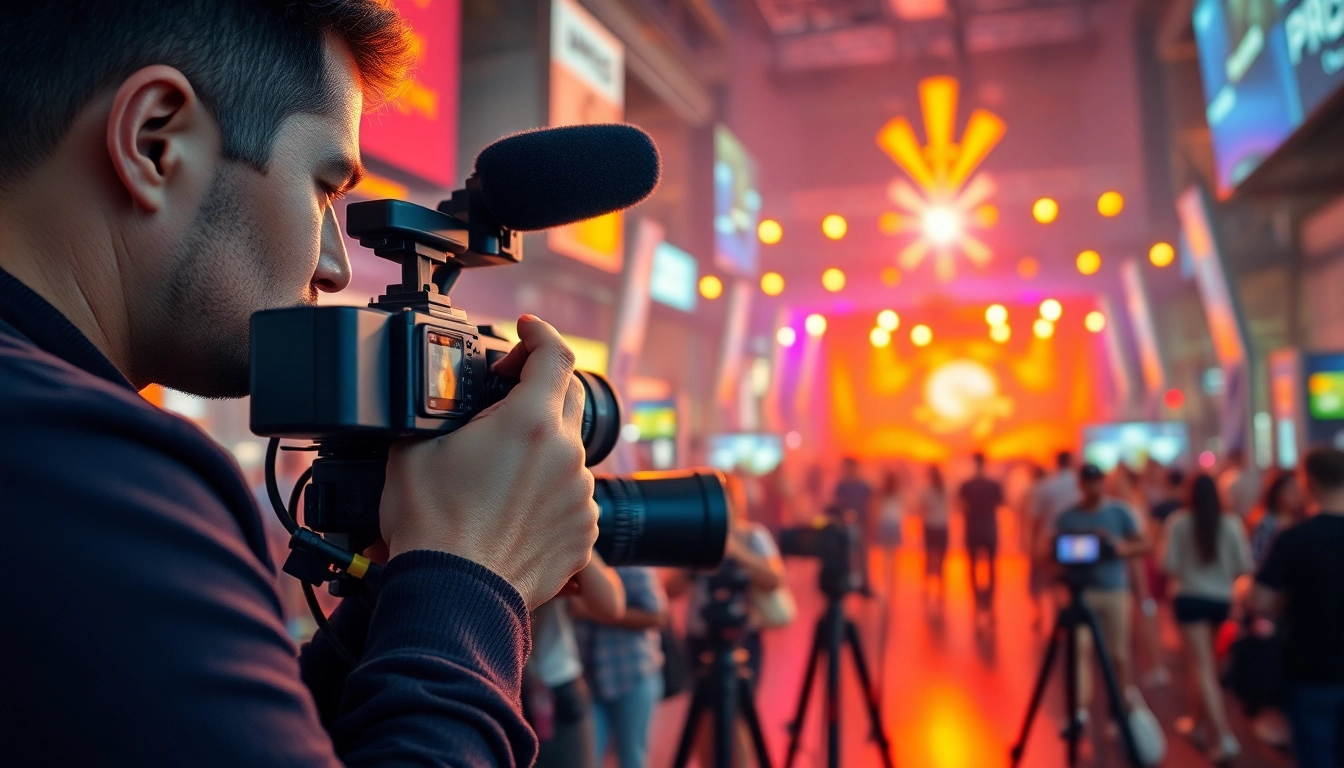
Event videography captures the essence of live occasions, such as concerts, conferences, and weddings. By recording these fleeting moments, videographers allow individuals to relive experiences and share memories with others. This engaging content not only serves attendees but can also be used for promotional purposes, showcasing organizational skills and attracting new attendees to similar events in the future.
Documentary Filmmaking: Telling Real Stories
Videography is crucial in documentary filmmaking, where capturing real-life stories requires both sensitivity and skill. Documentarians employ videography to explore societal issues, cultural narratives, and personal stories in an authentic manner. The combination of interviews, visuals, and ambient sound creates an immersive experience for viewers, elevating the impact of the narrative being shared.
How to Choose the Right Videographer for Your Needs
Assessing Experience and Portfolio
When selecting a videographer, reviewing their portfolio is essential. A strong portfolio showcases a variety of work, allowing clients to gauge whether the videographer's style aligns with their vision. Assessing past projects related to the desired type of video, whether corporate, event, or documentary, provides insight into their capabilities and creative approach.
Evaluating Equipment and Technology
Quality equipment and technology can significantly influence the final product’s quality. Clients should inquire about the videographer's camera gear, audio equipment, and editing software. A professional videographer typically uses high-definition cameras and supports gear that can enhance visual and sound quality, which ultimately contributes to a more polished output.
Understanding Pricing and Packages
Videographers typically offer different packages that cater to various budgets and needs. Understanding what each package includes—such as hours of filming, number of edits, and delivery formats—is necessary for ensuring that the videographer meets the project's scope and budget. Clients should also be wary of extremely low prices, as they often correlate with lower quality outcomes.
Essential Gear Every Videographer Should Have
Camera Choices: DSLRs, Mirrorless, and Beyond
Choosing the right camera is fundamental for any videographer. Popular options include DSLRs and mirrorless cameras, each offering unique benefits. DSLRs are lauded for their robust build and extensive lens selection, while mirrorless cameras often offer superior video capabilities and lightweight designs. Beyond the camera body, specific lenses can impact the depth of field, focal length, and overall aesthetic of the captured footage.
Audio Equipment: Importance of Sound Quality
Sound quality is just as important as video quality. Many videographers invest in high-quality microphones (like shotgun or lapel mics) to ensure clear audio capture, especially during interviews or live recordings. Additionally, portable audio recorders and boom poles enhance audio recording capabilities, significantly affecting the production's overall quality.
Editing Software: Bringing Your Vision to Life
Editing software is vital in post-production for crafting the final video product. Popular choices include Adobe Premiere Pro, Final Cut Pro, and DaVinci Resolve. Each platform offers distinct features for editing, color correction, and sound design, allowing videographers to refine their work, ensuring that the message is delivered effectively and aesthetically.
Trends and Future Directions in Videography
The Impact of Live Streaming on Videography
As technology evolves, live streaming has become an essential facet of videography. Many videographers are now incorporating live streaming into their repertoire, enabling real-time engagement with audiences during events or broadcasts. This trend has opened new avenues for creatives, allowing for instant connectivity and interaction with viewers globally.
Emerging Technologies: Drones and 360-Degree Video
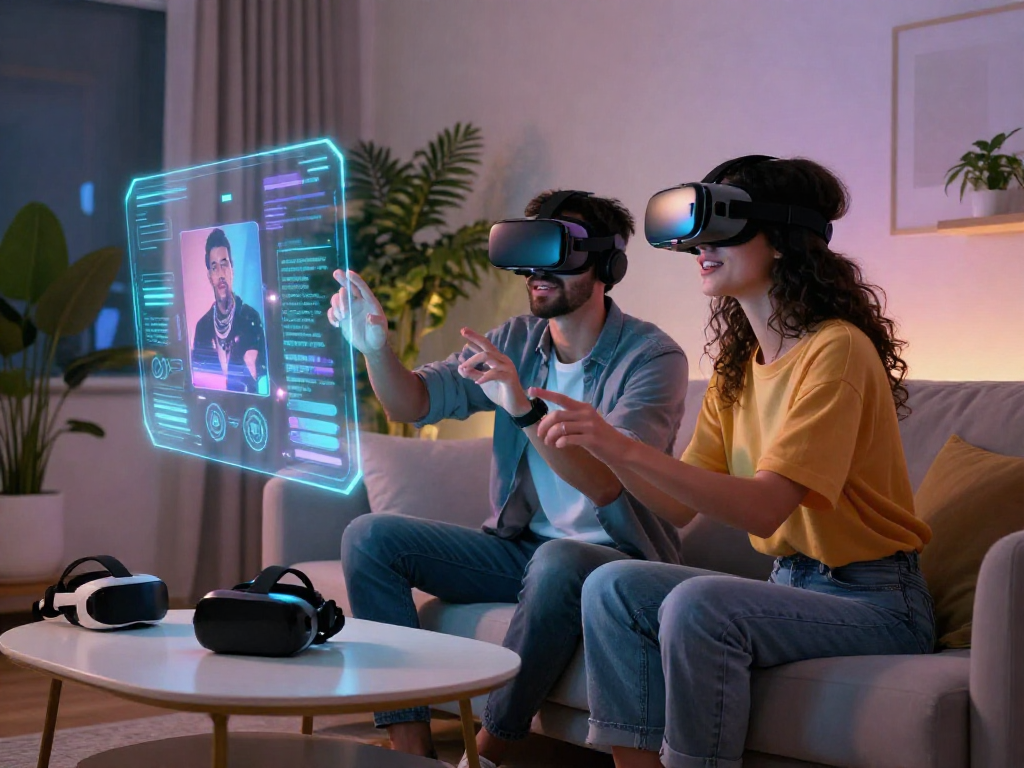
New technologies like drones and 360-degree cameras are revolutionizing the way videographers capture moments. Drones offer aerial perspectives that enhance storytelling, while 360-degree cameras enable immersive experiences, allowing viewers to explore scenes interactively. These innovations provide unique opportunities for creative expression, enriching the visual narratives videographers can create.
Visual Storytelling: The Role of Creativity in Videography
Creativity remains at the core of successful videography. Contemporary consumers appreciate storytelling that resonates emotionally. As videographers continue to explore innovative techniques and technologies, the goal remains the same: to tell compelling stories that captivate audiences and create lasting impacts.