
 By admin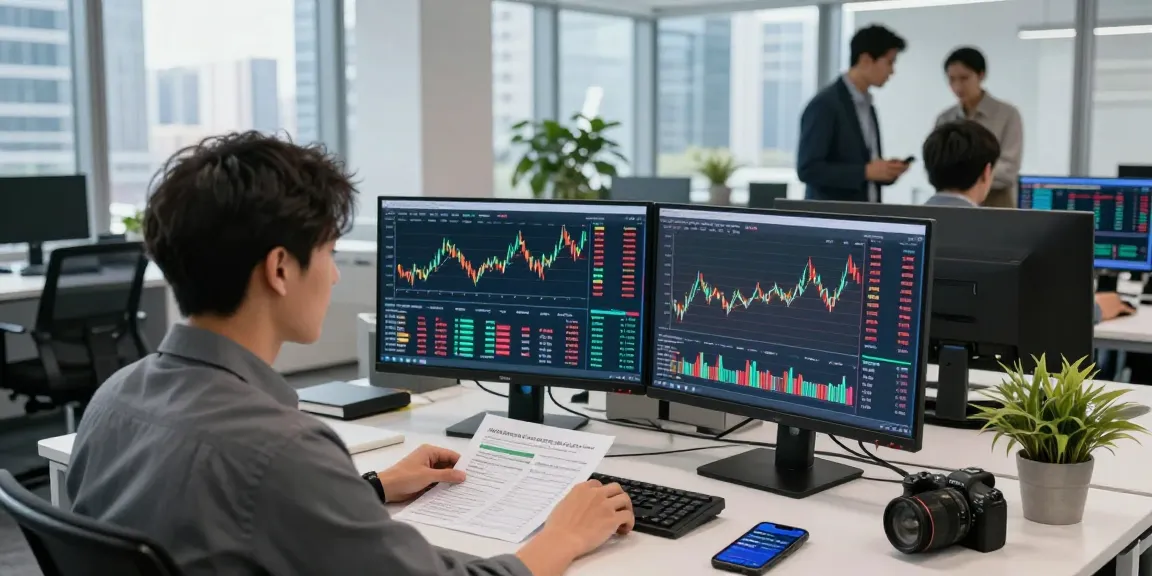
Understanding the Importance of a Commodities Price Tracker
In today’s fast-paced investment landscape, staying informed about commodity prices is crucial for traders and investors alike. A commodities price tracker serves as an essential tool in this regard, providing real-time data and insights about the fluctuating prices of various commodities, from oil and gold to grains and livestock. This article delves into the significance of commodities price tracking, its key features, and how it can empower investors to make informed decisions.
What is a Commodities Price Tracker?
A commodities price tracker is a tool or software application that monitors the prices of commodities in real-time across various markets. It aggregates data from multiple sources, including exchanges and financial news services, to provide traders and investors with up-to-date pricing information. These trackers can display live prices, historical trends, and forecasts, essential for understanding market dynamics.
Why Accurate Tracking is Essential for Investors
Accurate tracking of commodity prices is vital for several reasons. Firstly, commodities are often volatile and can be influenced by a multitude of factors, including geopolitical events, weather patterns, and economic indicators. For investors, having access to real-time data allows for quicker decision-making, potentially capitalizing on market movements. Secondly, a reliable tracker can help in portfolio management, allowing investors to adjust their strategies based on current price trends and market conditions.
Key Features to Look for in a Tracker
- Real-Time Data: Immediate updates on commodity prices to facilitate timely trading decisions.
- Historical Data: Access to historical pricing data for trend analysis and forecasting.
- Easy Navigation: User-friendly interfaces that allow investors to navigate quickly between different commodities.
- Custom Alerts: Features that send notifications based on specific price levels or market events.
- Integration Capabilities: The ability to integrate with other trading platforms or financial news feeds for comprehensive insights.
Key Categories of Commodities and Their Market Behavior
The commodities market can be broadly divided into several categories: energy, agricultural, and precious metals. Each category exhibits distinct behaviors influenced by various factors, making understanding these influences essential for traders.
Energy Commodities: Trends and Predictions
Energy commodities, such as oil and natural gas, are often at the forefront of market movements due to their critical role in the global economy. Recent trends indicate a shift towards renewable energy sources, yet traditional energy commodities remain volatile. Predictions for 2026 suggest that prices may experience fluctuations due to geopolitical tensions, changing regulations, and the ongoing evolution of energy technologies.
Agricultural Commodities: Pricing Influences and Seasonality
Agricultural commodity prices are heavily influenced by seasonal patterns, supply chain dynamics, and climatic conditions. For instance, a drought can lead to significant increases in grain prices, while favorable weather may boost harvest yields. Understanding these seasonal trends is crucial for effective trading strategies in agricultural commodities.
Precious Metals: Market Dynamics and Investment Strategies
Precious metals like gold and silver are often seen as safe-haven assets during economic uncertainty. The behaviors of these metals can be closely linked to inflation rates, currency valuations, and market speculation. Investors often employ various strategies, such as hedging, to manage risk associated with price fluctuations in these commodities.
Choosing the Right Tools for Tracking Commodity Prices
With a plethora of options available, selecting the right tools for tracking commodity prices can be challenging. However, understanding your specific needs and preferences can simplify the process significantly.
Top Software Options for Real-Time Tracking
Several software platforms stand out in the commodities price tracking arena. Tools like Bloomberg Terminal, TradingView, and MetaTrader offer advanced features, including customizable charts, data analytics, and comprehensive news integrations. These platforms cater to both novice and experienced traders, enhancing their ability to interpret market data effectively.
Mobile Apps for On-the-Go Price Monitoring
In an era where mobility is key, many traders prefer mobile apps that allow for real-time price monitoring from anywhere. Apps like Investing.com, MarketWatch, and TD Ameritrade’s thinkorswim provide essential information and alerts directly to users’ smartphones, ensuring they stay updated without being tethered to a desktop.
Integrating News Feeds and Alerts into Your Tracker
Integrating news feeds into your commodities price tracker can provide invaluable context to price movements. Many platforms offer real-time news alerts, helping traders make informed decisions based on the latest market developments or geopolitical events. Custom alerts based on specific price thresholds can also enhance trading strategies by notifying users of significant market movements.
Best Practices for Analyzing Commodities Price Trends
Analyzing price trends is crucial for successful commodities trading. Employing a blend of technical and fundamental analysis can yield comprehensive insights into market behavior.
Technical Analysis: Understanding Charts and Indicators
Technical analysis relies on historical price data to predict future movements. Traders often use charts and indicators like moving averages, RSI (Relative Strength Index), and MACD (Moving Average Convergence Divergence) to identify trends and reversal points. Learning how to interpret these indicators can significantly enhance trading strategies.
Fundamental Analysis: Economic Factors Affecting Prices
In contrast, fundamental analysis focuses on the broader economic influences impacting commodity prices. Factors such as interest rates, currency strength, and supply and demand dynamics play a pivotal role. Keeping abreast of these economic indicators allows traders to anticipate price movements more accurately.
Combining Data Sources for Comprehensive Insights
Relying solely on one data source may limit your perspective. Combining information from various sources, including news articles, analytical reports, and market commentary, provides a more rounded view of the market’s direction. This multifaceted approach enables traders to make more informed decisions based on a broader data set.
Future Trends in Commodities Trading for 2026 and Beyond
As we move further into the digital age, the commodities market is poised for transformational changes. Investors must stay ahead of these trends to maintain a competitive edge.
Technological Innovations Impacting Price Tracking
Emerging technologies such as artificial intelligence and blockchain are beginning to reshape how commodities are traded and tracked. AI can provide predictive analytics, helping traders anticipate price movements based on historical data and current market trends. Blockchain can enhance transparency and security in transactions, ensuring that price data is reliable and tamper-proof.
Predicted Commodity Price Movements for 2026
Analysts project that prices for key commodities will continue to fluctuate due to ongoing geopolitical tensions and climate change impacts. Renewable energy transitions may also influence traditional energy prices, leading to an unpredictable market landscape. Investors should prepare for both bullish and bearish scenarios to navigate these complexities successfully.
How Global Events Will Shape the Commodity Market
Global events such as pandemics, economic sanctions, and international trade agreements can dramatically alter commodity prices. The COVID-19 pandemic, for instance, resulted in unprecedented disruptions to supply chains and fluctuations in demand. Going forward, it is crucial for investors to be aware of how such events will impact market dynamics and to adjust their strategies accordingly.
What is the best commodities price tracker available?
The best commodities price tracker varies depending on individual preferences and needs. However, platforms like Trading Economics and Bloomberg are often cited for their comprehensive data and user-friendly interfaces.
How can I use a commodities price tracker effectively?
To use a commodities price tracker effectively, set alerts for key price levels, familiarize yourself with the platform’s features, and integrate news feeds for contextual analysis. Regularly reviewing historical trends can also be beneficial.
What are the common challenges in tracking commodity prices?
Common challenges include data latency, the need for constant updates, and the interpretation of complex market signals. Overcoming these challenges requires reliable tools and a solid understanding of market dynamics.
Are there free options for tracking commodity prices?
Yes, several free options exist, including mobile apps and websites like Investing.com and MarketWatch, which provide basic tracking capabilities without subscription fees.
How frequently do commodity prices change?
Commodity prices can change frequently, often multiple times within a single trading session, influenced by market dynamics, news events, and economic indicators. Active traders must stay vigilant to capture potential opportunities in these swift movements.