
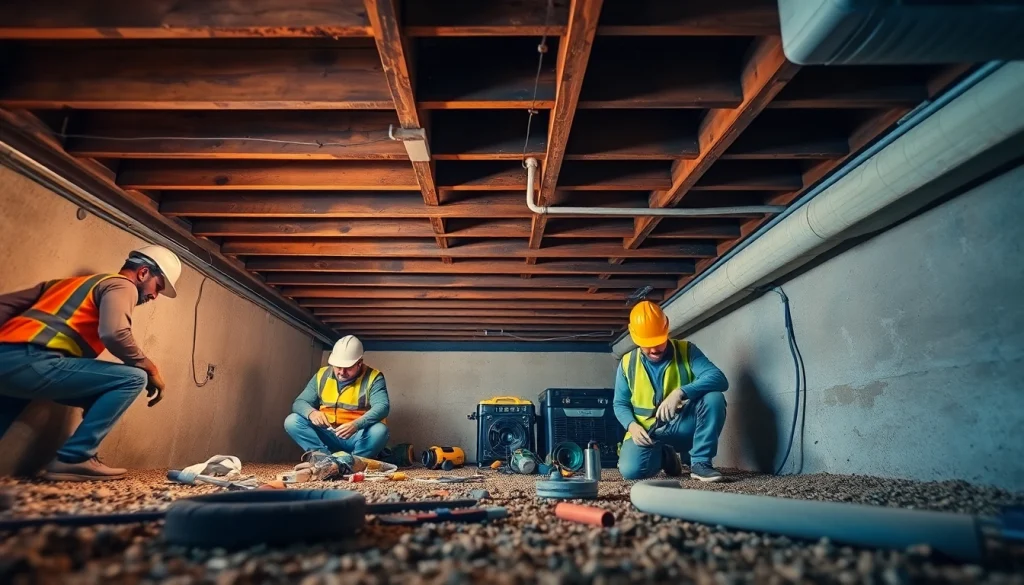
The Importance of Crawl Space Restoration
Crawl spaces, often overlooked, play a crucial role in your home’s health. These small, concealed areas provide access to plumbing, electrical systems, and insulation. However, they can also become a breeding ground for moisture, mold, and pests if not properly maintained. Effective Crawl Space Restoration is essential for preserving your home’s structural integrity and ensuring a safe living environment. Understanding the importance of crawl space restoration is the first step toward protecting your home.
Understanding Crawl Spaces and Their Challenges
Crawl spaces usually exist between the ground and the first floor of a home, providing crucial ventilation and access to utilities. They often face unique challenges such as excess moisture, which can lead to negative consequences like mold growth, wood rot, and the attraction of pests. Factors like climate, soil conditions, and construction methods significantly impact the health of a crawl space.
As temperatures fluctuate, moisture levels can rise and fall, creating an environment conducive to decay and infestation. If your crawl space is directly exposed to outside air without sufficient barriers, it may be especially susceptible to humidity. Additionally, plumbing issues, like leaks, can exacerbate these challenges, leading to more severe problems over time.
How Crawl Space Restoration Benefits Homes
The benefits of crawl space restoration extend beyond merely fixing immediate issues. Firstly, it enhances air quality throughout the home. Poor air quality, often resulting from mold and moisture, can lead to respiratory problems and other health issues for your family. By restoring your crawl space, you can improve ventilation systems and ensure cleaner air circulates in living areas.
Secondly, crawl space restoration protects your home’s structural integrity. Excess moisture can weaken foundations, leading to costly repairs. By conducting timely restorations, homeowners can avert future structural damage and maintain property value. Finally, restoration enhances energy efficiency. A dry, well-ventilated crawl space supports better insulation, reducing heating and cooling costs, leading to lower energy bills.
Key Signs Your Crawl Space Needs Restoration
Recognizing the signs that your crawl space requires restoration is vital for maintaining a healthy home. Here are some key indicators:
- Mold Growth: Visible mold or a musty smell indicates moisture problems.
- Wood Rot: Soft or decaying wood can suggest prolonged moisture exposure.
- Pest Infestation: Rodents, insects, or other pests in the crawl space point to an unhealthy environment.
- Uneven Floors: Sagging or uneven floors may indicate foundation problems, often linked back to issues in the crawl space.
- High Humidity Levels: If humidity exceeds 60%, it’s a signal to investigate further.
Assessment and Inspection Process
Preparing for a Crawl Space Inspection
Before an inspection, homeowners should prepare their crawl spaces to facilitate a thorough assessment. Start by ensuring easy access to the crawl space; remove any items blocking entry. It’s also useful to note any visible signs of damage or discomfort felt throughout the home, as these can provide important clues to inspectors.
It may also help to check for any signs of pest activity in nearby areas, as this information will be relevant during the inspection. Documenting these observations can lead to a more accurate diagnosis by professionals.
What Inspectors Look for During Assessment
During an inspection, professionals will evaluate several factors. They will typically assess:
- Structural Integrity: Inspectors will examine wooden beams, joists, and posts for any signs of damage or weakness.
- Moisture Levels: Measuring humidity levels with a hygrometer can reveal underlying moisture issues.
- Insulation Condition: Inspectors will review existing insulation for effectiveness and possible degradation.
- Ventilation: The amount of airflow and any signs of insufficient ventilation will also be examined.
- Pest Activity: Look for droppings or nesting areas indicating a pest issue.
Evaluating Moisture and Air Quality Issues
Moisture and air quality are paramount in crawl space assessments. Inspectors will utilize tools like moisture meters and air quality monitors to gauge the levels accurately. High moisture often correlates with structural problems, such as mold or wood decay.
It’s crucial to address air quality issues as they can significantly impact indoor living conditions. Affected air can rise into the living areas of a home, resulting in unpleasant odors and attending health risks. Understanding moisture sources—like leakage from pipes or groundwater—will guide the restoration process.
Restoration Techniques and Solutions
Common Methods for Effective Crawl Space Restoration
A variety of techniques can be employed for effective crawl space restoration, including:
- Moisture Barrier Installation: A polyethylene vapor barrier is often laid down to prevent moisture from the earth from rising into the space.
- Drainage System Improvements: Installing a sump pump or drainage channels can help to manage excess water from rain or groundwater.
- Mold Remediation: Identifying and cleaning mold growth using appropriate cleaning agents ensures the space is safe.
- Structural Repairs: Repairing damaged beams and supports maintains the integrity of the home’s foundation.
Choosing the Right Materials for Long-lasting Results
Selecting high-quality materials during crawl space restoration is crucial for achieving lasting results. For instance, moisture barriers should be durable and warrant protection against tears and punctures. Opting for treated wood can also ensure lasting strength against moisture exposure.
Additionally, consider using insulation products designed for high humidity conditions, such as closed-cell spray foam. This choice not only provides better thermal resistance but can also withstand moisture over time, preventing future mold growth.
Implementing Proper Ventilation and Insulation
Proper ventilation and insulation play integral roles in a successful crawl space restoration. Inadequate ventilation can trap moisture, exacerbating existing issues. Proper ventilation improves air circulation and helps to regulate humidity levels. Installing vents that open and close automatically based on humidity levels can optimize airflow during different seasons.
The insulation quality is also crucial; it should effectively retain heat during colder months and maintain cool air flow during hotter months. Combination techniques, like installing fans along with the insulation, can further enhance these efforts.
Aftercare and Maintenance Strategies
Routine Checks for Crawl Space Health
Maintaining crawl space health is an ongoing effort, and routine checks are essential. Schedule inspections at least once a year to assess the condition of insulation, pest activity, and moisture levels. Look for any visible wear over time and keep a maintenance log to track changes. An experienced inspector can assist in identifying subtle problems before they escalate.
How to Prevent Future Damage
Prevention is key in avoiding future crawl space issues. One effective method is regular landscaping maintenance. Ensure that the landscaping slopes away from the house foundation, preventing water pooling near the foundation. Additionally, ensure that gutters and downspouts are functional and directing water away from the home.
Another preventive measure is to monitor humidity levels electronically; options like hygrometers are affordable and provide real-time feedback on moisture levels.
Creating a Maintenance Schedule
Setting up a maintenance schedule is vital for long-term health. Ideally, homeowners should conduct checks every season, particularly during spring and fall when moisture levels can spike. Tasks may include inspecting vapor barriers, checking for leaks, and ensuring ventilation systems are operable.
Maintain a checklist of necessary tasks along with their timelines to ensure comprehensive care each year. Consider enlisting professional help periodically for detailed inspections when circumstances warrant greater scrutiny.
Frequently Asked Questions
What is crawl space restoration?
Crawl space restoration involves repairing and maintaining the underfloor area, addressing issues like moisture, pests, and structural damage.
How do I know if my crawl space needs restoration?
Signs include mold growth, musty odors, wood rot, and noticeable moisture levels in the crawl space area.
Can I do crawl space restoration myself?
Basic maintenance can be DIY, but complex issues should be handled by professionals to ensure safety and efficacy.
How long does the restoration process take?
Every situation is unique, but typical restoration takes a few days to several weeks, depending on the extent of the damage.
What costs are involved in crawl space restoration?
Costs can vary widely based on the severity of issues and required repairs; it’s best to get quotes from certified professionals.