
 By Eric Young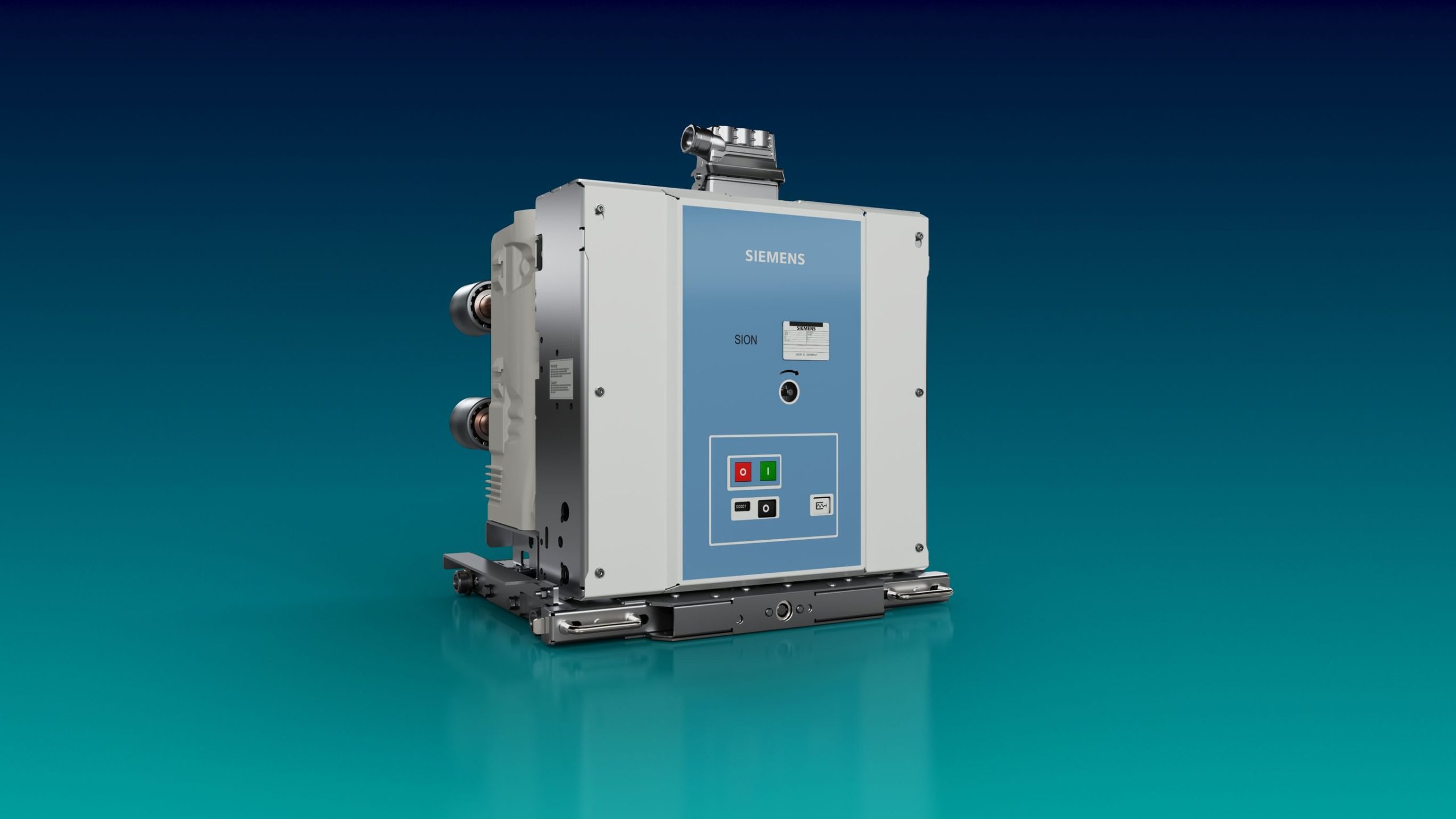
Introduction to Vacuum Circuit Breaker Maintenance
A Vacuum circuit breaker is one of the most reliable and efficient types of circuit protection devices used in modern electrical systems. The Vacuum circuit breaker operates by interrupting the flow of current in a vacuum chamber, ensuring quick arc extinction and minimal energy loss. Engineers and technicians prefer the Vacuum circuit breaker because of its durability, low maintenance requirements, and high operational efficiency. The Vacuum circuit breaker has become a vital component in both medium and high-voltage networks due to its ability to perform consistently under demanding conditions. Regular maintenance of a Vacuum circuit breaker is crucial to ensure its long-term performance and reliability. Without proper care, even the most advanced Vacuum circuit breaker can suffer from reduced efficiency and premature wear. Therefore, understanding how to extend the service life of your Vacuum circuit breaker is essential for ensuring maximum safety and performance. The Vacuum circuit breaker is designed for a long operational life, but like any other electrical equipment, it requires attention, inspection, and preventive measures to stay in optimal condition. A properly maintained Vacuum circuit breaker not only improves reliability but also helps avoid costly downtime and system failures.
Understanding the Factors That Affect Vacuum Circuit Breaker Lifespan
1. Contact Wear and Erosion
One of the main factors influencing the lifespan of a Vacuum circuit breaker is contact wear. Every time the breaker interrupts a circuit, a small arc is generated between the contacts. Over time, this causes minor erosion of the contact surfaces. If the erosion exceeds the allowable limit, the Vacuum circuit breaker may not function efficiently. Regular inspection of the contacts and timely replacement when necessary can significantly extend its service life.
2. Mechanical Operation Cycles
A Vacuum circuit breaker is designed to perform a specific number of mechanical operations throughout its life. Exceeding these operational cycles without maintenance can lead to wear and tear of moving components. Lubricating the mechanical parts and testing the opening and closing mechanisms periodically can ensure smooth functioning and prolong the breaker’s service life.
3. Environmental Conditions
The operating environment has a huge impact on the performance of a Vacuum circuit breaker. Exposure to dust, humidity, or corrosive gases can degrade insulation materials and affect the vacuum chamber’s integrity. Installing the Vacuum circuit breaker in a clean, dry, and controlled environment is essential to prevent premature aging.
4. Electrical Stress and Overloads
Frequent electrical faults, overloading, and voltage spikes can stress the internal components of the Vacuum circuit breaker. Continuous exposure to such stress can weaken the vacuum interrupter and other insulation parts. Proper system design, load monitoring, and timely fault analysis are key to preventing damage.
Effective Maintenance Tips to Extend the Service Life
1. Regular Inspection and Testing
To ensure the long-term reliability of a Vacuum circuit breaker, regular visual inspection and electrical testing are essential. Check for mechanical alignment, insulation resistance, and operating speed. Conduct dielectric tests to confirm the integrity of the vacuum interrupter. Early detection of wear or leakage helps prevent major breakdowns.
2. Cleanliness and Environment Control
Keeping the surroundings of the Vacuum circuit breaker clean is critical. Dust and moisture can cause tracking or partial discharges. Installing dehumidifiers, air filters, and temperature control systems helps maintain ideal operating conditions for your Vacuum circuit breaker.
3. Lubrication and Mechanical Maintenance
Mechanical components of the Vacuum circuit breaker, such as hinges, linkages, and springs, require periodic lubrication. Using the manufacturer-recommended lubricants ensures smooth motion and reduces friction. Always inspect for signs of rust or mechanical fatigue.
4. Monitoring Contact Erosion
As the Vacuum circuit breaker operates, its contacts gradually wear out. Monitoring the contact thickness and measuring erosion depth helps determine when replacement is needed. Timely replacement of worn contacts can restore the Vacuum circuit breaker to optimal working condition and extend its life.
5. Tightening Electrical Connections
Loose electrical connections generate heat and increase resistance, leading to damage. Check and tighten all terminals and connectors of the Vacuum circuit breaker periodically to ensure proper electrical contact and reduce losses.
6. Using Quality Spare Parts
When replacing components of your Vacuum circuit breaker, always use genuine spare parts from trusted manufacturers. Low-quality replacements can compromise performance and shorten the equipment’s lifespan.
7. Professional Servicing and Diagnostics
Hiring skilled professionals for maintenance and diagnostic services ensures that your Vacuum circuit breaker is inspected and repaired using the correct procedures. Professionals use specialized tools to detect hidden faults, perform mechanical endurance tests, and verify vacuum levels accurately.
Why Choose Us
Choosing us for your Vacuum circuit breaker maintenance and servicing means relying on industry experts who understand every detail of breaker performance. Our team provides top-quality inspection, testing, and refurbishment services to ensure your Vacuum circuit breaker continues to operate at peak efficiency. We offer:
- Expert engineers trained in breaker diagnostics and repair
- High-quality spare parts for maximum reliability
- On-site and off-site maintenance services
- Affordable pricing and timely delivery
We focus on extending the life of your Vacuum circuit breaker by using proven maintenance strategies, advanced testing methods, and premium-grade materials. With us, you gain peace of mind knowing that your electrical protection system is in expert hands.
5 FAQs About Vacuum Circuit Breaker Maintenance
1. How often should a Vacuum circuit breaker be maintained?
A Vacuum circuit breaker should be inspected at least once a year, with detailed testing every 3–5 years depending on usage and operating conditions.
2. What are the signs that a Vacuum circuit breaker needs servicing?
If you notice delayed tripping, abnormal sounds, or visible damage, it’s time to service your Vacuum circuit breaker. Regular inspection helps identify these signs early.
3. Can environmental factors affect a Vacuum circuit breaker’s performance?
Yes, temperature, humidity, and dust can all affect the insulation and mechanical operation of a Vacuum circuit breaker. Proper environmental control is vital.
4. What is the average lifespan of a Vacuum circuit breaker?
With proper maintenance, a Vacuum circuit breaker can last 20–30 years or even longer, depending on the frequency of operations and the environment in which it operates.
5. Is it safe to perform maintenance without professional help?
Basic cleaning and inspection can be done internally, but for complex diagnostics or repairs, it’s best to contact certified technicians experienced with Vacuum circuit breaker systems.
Conclusion
In conclusion, extending the service life of your Vacuum circuit breaker requires consistent maintenance, regular inspections, and adherence to manufacturer guidelines. By monitoring contact wear, maintaining cleanliness, and avoiding electrical stress, you can ensure reliable and long-term performance. A well-maintained Vacuum circuit breaker not only safeguards your electrical systems but also saves costs associated with downtime and replacements. Investing in quality servicing and preventive care will ensure your Vacuum circuit breaker continues to operate efficiently and safely for years to come.