
 By admin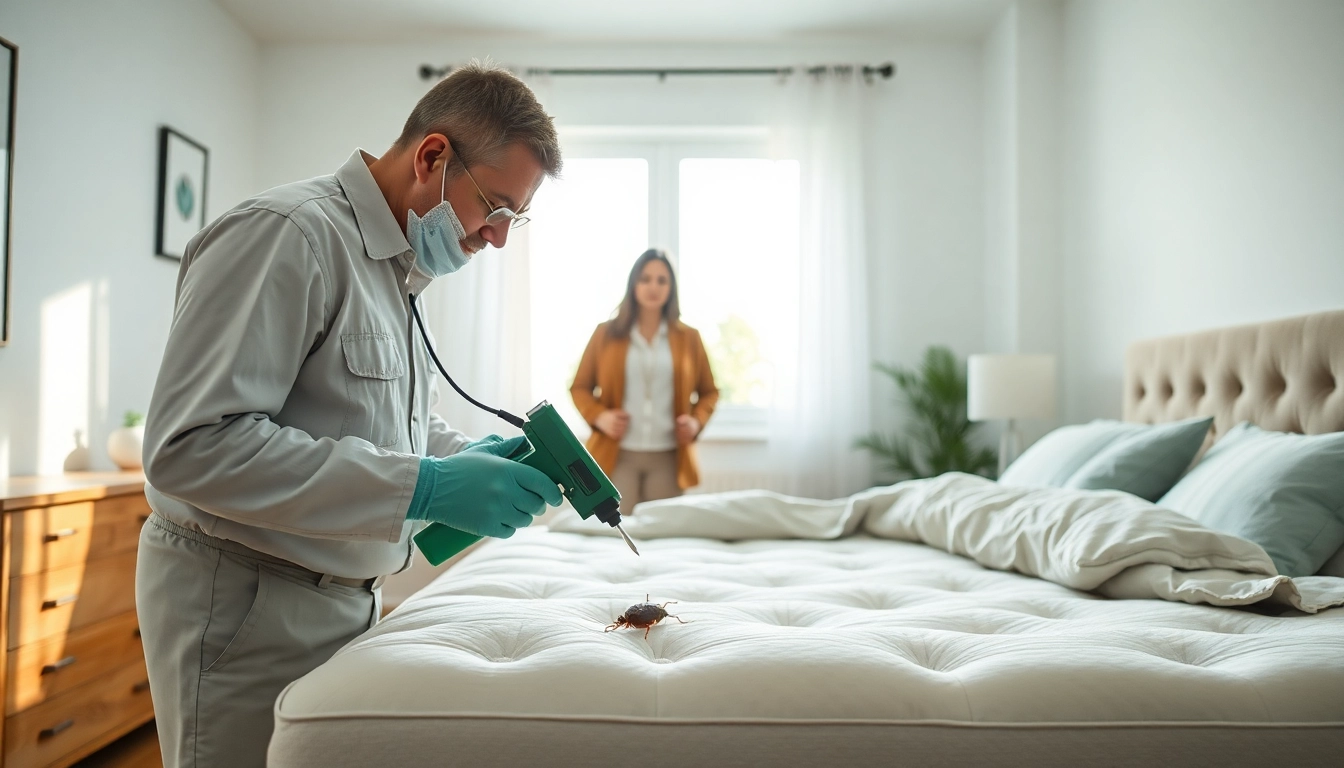
Understanding Bed Bugs: Overview and Identification
What are Bed Bugs?
Bed bugs are small, wingless insects that belong to the Cimex lectularius species. They are reddish-brown in color, oval-shaped, and can grow up to 5-7 mm in size. These pests are parasites that solely feed on the blood of mammals, particularly humans, making their presence a significant concern for homeowners and renters alike. Bed bugs are nocturnal creatures, often hiding during the day in cracks and crevices, making detection difficult.
Signs of Infestation
A bed bug infestation is often highlighted by several tell-tale signs. Common indicators include:
- Visible Bugs: Spotting a bed bug itself, especially in the seams of mattresses or other furniture.
- Excrement Stains: Small dark spots on sheets or surrounding surfaces, which are remnants of digested blood.
- Bed Bug Bites: Red, itchy welts on the skin that often appear in a linear pattern after a feeding session.
- Egg Casings: Tiny white shells left behind after nymphs have hatched, often found in clusters.
- Musty Odor: A specific odor when many bed bugs are present, resulting from the scent glands of the bugs.
Health Risks Associated with Bed Bugs
While bed bugs are not known to transmit diseases, their bites can lead to various health issues:
- Allergic Reactions: Some individuals may experience severe allergic reactions to bed bug bites, necessitating medical attention.
- Secondary Infections: Continuous scratching of bite areas can lead to open wounds, making them vulnerable to bacterial infections.
- Mental Health Impacts: Anxiety and insomnia may result from the stress of having bed bugs, impacting overall well-being.
Preparing for Bed Bug Removal
Essential Steps Before Treatment
Before initiating bed bug removal, it’s crucial to prepare thoroughly:
- Identify Infested Areas: Conduct a detailed inspection of your living space, focusing on beds, furniture, and baseboards.
- Sort and Declutter: Remove excess belongings from infested areas to limit hiding places for bed bugs.
- Inform Residents: Ensure everyone in the household is aware of the situation and the steps being taken for resolution.
Creating a Safe Environment
Establishing a safe environment is essential before and during the removal process:
- Restrict Movement: Limit movement between infested and non-infested areas to prevent spreading bed bugs.
- Seal Belongings: Store clothing and linens in plastic bags until they are treated and confirmed bed bug-free.
- Remove Pets: Consider relocating pets temporarily to ensure their safety and comfort during treatment.
Gathering Necessary Tools
Whether opting for DIY methods or hiring professionals, having the right tools is vital:
- Vacuum Cleaner: A powerful vacuum with a hose attachment can effectively remove bugs and eggs.
- Steam Cleaner: High temperatures can kill bed bugs on contact, ensuring thorough cleansing.
- Pesticides: If using chemical treatments, choose EPA-approved products specifically designed for bed bugs.
Professional Bed Bug Removal Techniques
Heat Treatments: How They Work
Heat treatments involve heating the infested area to a temperature that is lethal to bed bugs. Residential heat treatments typically maintain temperatures between 120°F and 135°F, which can kill all life stages within minutes. This method is effective and less likely to leave chemical residues, making it a preferred choice for many homeowners. Professionals use specialized equipment to ensure thorough heat penetration.
Chemical Treatments: Best Practices
Chemical treatments involve the application of insecticides designed for bed bugs. Best practices for effective use include:
- Read Labels Carefully: Follow usage instructions as provided, ensuring safety for all inhabitants.
- Combine Methods: Use chemical treatments in conjunction with mechanical methods like vacuuming to optimize results.
- Consider Residual Pesticides: Some products are designed to stay active for weeks, providing long-term protection.
Integrated Pest Management Strategies
Integrating various methods provides a holistic approach to bed bug removal. This might include a combination of chemical, cultural, and physical techniques. Professionals often assess the infestation and tailor solutions to meet specific needs, ensuring a higher chance of total eradication. Effective techniques include regular monitoring, effective sanitation practices, and structural modifications special to the living environment.
DIY Bed Bug Removal Options
Using Home Remedies Safely
Home remedies can be an economical approach to bed bug removal. Effective options include:
- Heat Treatment: Washing infested items on high heat for at least 30 minutes can destroy bed bugs and eggs.
- Cold Treatment: Freezing infested items at 0°F for at least four days can also kill bed bugs.
- Essential Oils: Certain oils such as tea tree or lavender oil have insecticidal properties. Use with caution and ensure proper application.
When to Consider DIY Approaches
Consider DIY strategies if:
- You only have a minor infestation and experience with pest management.
- Professional services are financially out of reach.
- You can closely monitor the situation for recurrent signs of bed bugs or related issues.
Common Mistakes to Avoid
When attempting DIY removal, avoid these common pitfalls:
- Overreliance on Chemicals: Excessive use of insecticides can be harmful and may not lead to effective eradication.
- Inconsistency: Inconsistent treatment leads to persistent infestations.
- Ineffective Removal Techniques: Neglecting areas where bugs may hide, like behind appliances or wall cracks.
Aftercare and Prevention Tips
Post-Treatment Guidelines
Post-treatment measures are vital in ensuring long-term relief from bed bugs:
- Limit Access: Keep the areas where the treatment was applied off-limits for at least the recommended time.
- Dispose of Infested Items: Safely dispose of items that can’t be treated.
- Follow-Up Inspections: Regularly inspect for signs of resurgence in bed bugs, especially in the first few weeks.
Long-Term Prevention Strategies
Preventing future infestations can significantly reduce the risk of encounters. Consider the following strategies:
- Regular Cleaning: Regularly vacuuming and cleaning potential hiding spots can deter bed bugs.
- Managing Second-Hand Furniture: Inspect and treat used furniture before bringing it home.
- Bed Bug Mattress Covers: Utilize protective covers to encase mattresses and box springs.
Frequently Asked Questions
How can I prevent bed bugs from spreading?
Prevent bed bugs from spreading by limiting movement between infested and non-infested areas, properly treating all belongings, and keeping a clean living environment.
Are bed bug bites harmful?
While bed bug bites are not known to transmit diseases, they can cause allergic reactions and secondary infections from scratching.
How long does a bed bug infestation last?
If untreated, a bed bug infestation can last for several months or longer, as bed bugs reproduce rapidly and can persist in hiding.
Can I get rid of bed bugs myself?
Yes, minor infestations can often be controlled with thorough cleaning, heat treatment, or certain home remedies, but professional help may be needed for severe cases.
What is the best method for bed bug extermination?
The most effective methods combine heat treatment with chemical application and integrated pest management strategies for holistic control.