
 By Eric Young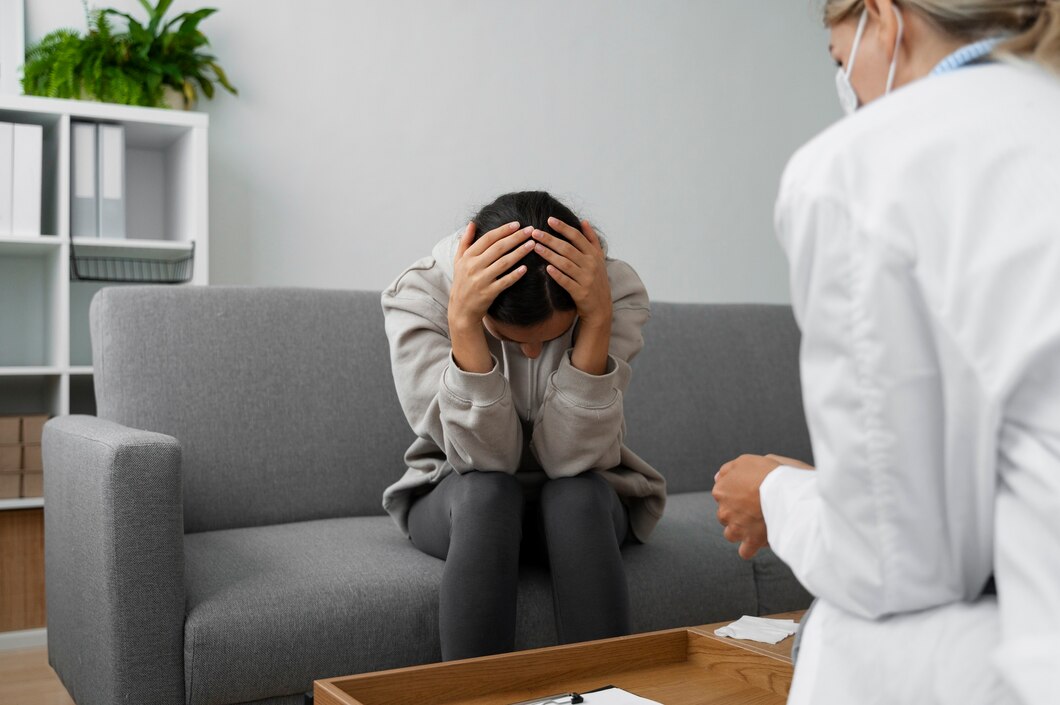
In today’s fast-paced and demanding world, Stress and anxiety have become increasingly prevalent. Whether it’s due to work, relationships, financial pressures, or personal struggles, these feelings can profoundly affect both our mental and physical health. Understanding how to manage stress and anxiety is crucial for improving your overall well-being, and adopting effective strategies can help create a sense of calm and control. At Calm Minds Hub, we believe that everyone deserves a life free from the overwhelming effects of stress and anxiety, and we are here to provide you with practical, evidence-based strategies to help you achieve a calmer mind.
This article will explore various strategies and techniques to help you manage stress and anxiety effectively. We will cover a range of approaches, including lifestyle changes, relaxation practices, cognitive strategies, and professional help, with an emphasis on creating long-term solutions. By learning how to recognize the signs and symptoms of stress and anxiety and implementing proven coping mechanisms, you can gain greater control over your mental health and enjoy a more balanced, fulfilling life.
Understanding Stress and Anxiety
Before diving into how to manage stress and anxiety, it’s essential to understand what these conditions are and how they affect the body and mind.
What is Stress?
Stress is a natural physiological and psychological response to external pressures. It can be triggered by various factors, such as work deadlines, relationship issues, financial struggles, or health concerns. Stress activates the body’s “fight or flight” response, preparing you to confront or flee from the perceived threat. This response is fueled by the release of stress hormones such as adrenaline and cortisol, which increase heart rate, elevate blood pressure, and prepare the body to take action.
In small doses, stress can be helpful as it motivates you to meet challenges and stay focused. However, when stress becomes chronic or overwhelming, it can lead to significant health problems, including heart disease, digestive issues, insomnia, and anxiety. Chronic stress can also affect your mental health, contributing to burnout, depression, and feelings of helplessness.
What is Anxiety?
Anxiety is an emotional response characterized by persistent worry, fear, and apprehension about potential future events or situations. Unlike stress, which is typically triggered by an external factor, anxiety can occur even in the absence of a clear threat. Anxiety often manifests as a constant sense of unease or dread and can interfere with your ability to focus, perform daily tasks, or enjoy life.
While occasional anxiety is normal and even adaptive (such as feeling nervous before a big presentation), chronic anxiety can be debilitating. It can cause physical symptoms such as a rapid heartbeat, shortness of breath, muscle tension, and gastrointestinal issues. If left unmanaged, anxiety can lead to anxiety disorders such as generalized anxiety disorder (GAD), panic disorder, or social anxiety disorder, which require professional intervention to manage effectively.
The Connection Between Stress and Anxiety
Stress and anxiety are closely related, and one can often lead to or exacerbate the other. Chronic stress can increase feelings of anxiety, and in turn, heightened anxiety can make it more difficult to cope with stress. Both conditions involve an overactive stress response system and can lead to similar physical and emotional symptoms, such as irritability, difficulty sleeping, and poor concentration.
Recognizing the interplay between stress and anxiety is essential for understanding how to address these conditions holistically. By learning to manage one, you can often reduce the intensity of the other, leading to a more balanced and calm state of mind.
Recognizing the Symptoms of Stress and Anxiety
Understanding the signs and symptoms of stress and anxiety is a crucial first step in managing these conditions. Below are common symptoms associated with stress and anxiety:
Symptoms of Stress
- Physical symptoms: Increased heart rate, muscle tension, headaches, dizziness, fatigue, sleep disturbances, digestive issues (e.g., nausea, diarrhea, constipation).
- Emotional symptoms: Irritability, mood swings, feeling overwhelmed, feelings of helplessness, anger, frustration.
- Cognitive symptoms: Difficulty concentrating, racing thoughts, negative thinking patterns, indecisiveness, memory problems.
- Behavioral symptoms: Procrastination, social withdrawal, unhealthy coping mechanisms (e.g., overeating, smoking, alcohol consumption).
Symptoms of Anxiety
- Physical symptoms: Rapid heartbeat, shallow or rapid breathing, sweating, trembling, dizziness, dry mouth, nausea.
- Emotional symptoms: Persistent worry, fear of the unknown, nervousness, feelings of impending doom, restlessness.
- Cognitive symptoms: Excessive rumination, constant overthinking, inability to relax, irrational fear, self-doubt.
- Behavioral symptoms: Avoidance of situations that trigger anxiety (e.g., social situations, public speaking), difficulty engaging in daily activities, agitation.
If you identify with many of the symptoms above, it may be time to explore strategies to manage and reduce stress and anxiety.

Healthy Ways to Manage Stress and Anxiety
There are several effective strategies for managing stress and anxiety that don’t require medication or therapy. These techniques can be used in combination to create a comprehensive approach to mental well-being. Below are some of the most powerful methods for coping with stress and anxiety in a healthy, sustainable way.
1. Practice Mindfulness and Meditation
Mindfulness and meditation are two of the most powerful tools for managing stress and anxiety. Both practices help you focus on the present moment, allowing you to break free from the cycle of worry and fear that often accompany anxiety. These practices have been shown to reduce cortisol levels (the primary stress hormone) and promote relaxation.
- Mindfulness meditation involves paying attention to your breath, physical sensations, or thoughts without judgment. You observe your thoughts as they arise but avoid getting caught up in them.
- Guided meditation uses audio recordings or apps to guide you through a calming process, such as focusing on your breath or imagining peaceful imagery.
Research has shown that mindfulness and meditation can reduce anxiety, improve emotional regulation, and enhance overall well-being. Regular practice can help you develop a greater sense of calm and acceptance.
2. Engage in Physical Activity
Exercise is one of the most effective ways to manage stress and anxiety. Physical activity promotes the release of endorphins, which are natural mood enhancers, and reduces the production of stress hormones like cortisol. Exercise also helps improve sleep, reduce muscle tension, and improve overall physical health.
- Aerobic exercises such as running, swimming, cycling, and dancing are excellent for relieving stress and anxiety.
- Yoga and Pilates focus on breathing, stretching, and gentle movement, helping to relax both the mind and body.
- Strength training can help build confidence and improve self-esteem, contributing to better emotional health.
Aim for at least 30 minutes of physical activity most days of the week. Regular exercise can help reduce anxiety and improve mood, leading to long-term stress relief.
3. Practice Deep Breathing Exercises
Deep breathing exercises are simple yet effective techniques for calming the body and mind. When you are stressed or anxious, your breathing becomes shallow and rapid, which can exacerbate the symptoms of both conditions. Deep breathing helps activate the parasympathetic nervous system, which counteracts the stress response and promotes relaxation.
- Diaphragmatic breathing involves breathing deeply into your diaphragm, rather than shallowly into your chest. Inhale deeply through your nose, hold for a few seconds, then exhale slowly through your mouth.
- Box breathing is another technique in which you inhale for four counts, hold for four counts, exhale for four counts, and hold again for four counts.
Practicing deep breathing for just a few minutes a day can help you feel more grounded and centered.
4. Get Enough Sleep
Lack of sleep can significantly contribute to both stress and anxiety. When you don’t get enough restful sleep, your ability to cope with stress diminishes, and your anxiety levels tend to increase. Sleep is essential for emotional regulation, memory consolidation, and overall well-being.
- Set a consistent sleep schedule by going to bed and waking up at the same time every day, even on weekends.
- Create a calming bedtime routine that includes activities like reading, journaling, or listening to calming music.
- Limit screen time before bed, as the blue light emitted from devices can interfere with your ability to fall asleep.
Aiming for 7-9 hours of quality sleep per night will help regulate your mood and reduce feelings of anxiety and stress.
5. Build a Support System
Having a strong social support system is essential for managing stress and anxiety. Connecting with others, whether through family, friends, or support groups, can provide emotional relief and reduce feelings of isolation. Talking about your stress and anxiety can also help you process your emotions and gain a different perspective.
- Reach out to friends or family when you need support or someone to talk to.
- Join support groups for stress and anxiety, either in person or online, where you can share experiences and gain insight from others going through similar challenges.
Remember, you don’t have to face stress and anxiety alone—reaching out for support is a powerful step in the healing process.
6. Seek Professional Help
If your stress and anxiety are persistent and overwhelming, it may be time to seek professional help. A licensed therapist or counselor can provide tailored support and strategies for managing these conditions. Cognitive Behavioral Therapy (CBT), in particular, is highly effective for treating both stress and anxiety by helping you identify and change negative thought patterns.
- Cognitive Behavioral Therapy (CBT) helps individuals challenge distorted thinking, develop healthier coping strategies, and reduce anxiety.
- Exposure therapy is a type of CBT that helps individuals confront their fears in a controlled environment, reducing anxiety over time.
- Medication may also be prescribed by a healthcare provider for severe anxiety or stress, such as selective serotonin reuptake inhibitors (SSRIs) or benzodiazepines.
Seeking help from a mental health professional can provide valuable tools and support for managing chronic stress and anxiety.
Conclusion
Managing stress and anxiety is essential for maintaining mental, emotional, and physical health. By incorporating healthy coping strategies such as mindfulness, physical activity, deep breathing, and social support, you can reduce the impact of these conditions and achieve a calmer, more balanced life. If stress and anxiety continue to affect your well-being, don’t hesitate to seek professional help, as therapy and medication can provide additional support in overcoming these challenges.
At Calm Minds Hub, we believe that everyone has the capacity to manage their stress and anxiety effectively. By taking proactive steps, practicing self-care, and seeking the right support, you can regain control of your life and experience greater peace and happiness. Our homepage is your go-to spot for fresh, reliable content.
FAQs
How can I tell if my stress and anxiety are affecting my health?
If your stress and anxiety are interfering with your daily life, such as causing sleep disturbances, making it difficult to concentrate, or leading to physical symptoms like headaches or digestive issues, it may be affecting your health. Long-term stress and anxiety can contribute to chronic conditions like heart disease, high blood pressure, and mental health disorders. If you notice persistent symptoms, it’s important to seek professional help to address them.
Can exercise really help reduce stress and anxiety?
Yes, regular physical activity is one of the most effective ways to manage stress and anxiety. Exercise helps release endorphins, which are natural mood enhancers, and reduces the production of stress hormones like cortisol. Whether it’s aerobic exercise, yoga, or strength training, physical activity improves your mental clarity, reduces tension, and boosts overall emotional well-being.
When should I seek professional help for stress and anxiety?
If you find that your stress and anxiety are overwhelming, persistent, and interfering with your ability to function in daily life, it’s important to seek professional help. A licensed therapist or counselor can offer personalized strategies and support to help you cope. In some cases, medication may also be prescribed if the anxiety or stress is severe or chronic. Seeking help early can prevent these issues from escalating.
Contact Us:
Name: Calm Minds Hub
Address: London Eye, Riverside Building, County Hall, Westminster Bridge Rd, London SE1 7PB, United Kingdom
Website: https://calmmindshub.com/
 admin
admin