
 By admin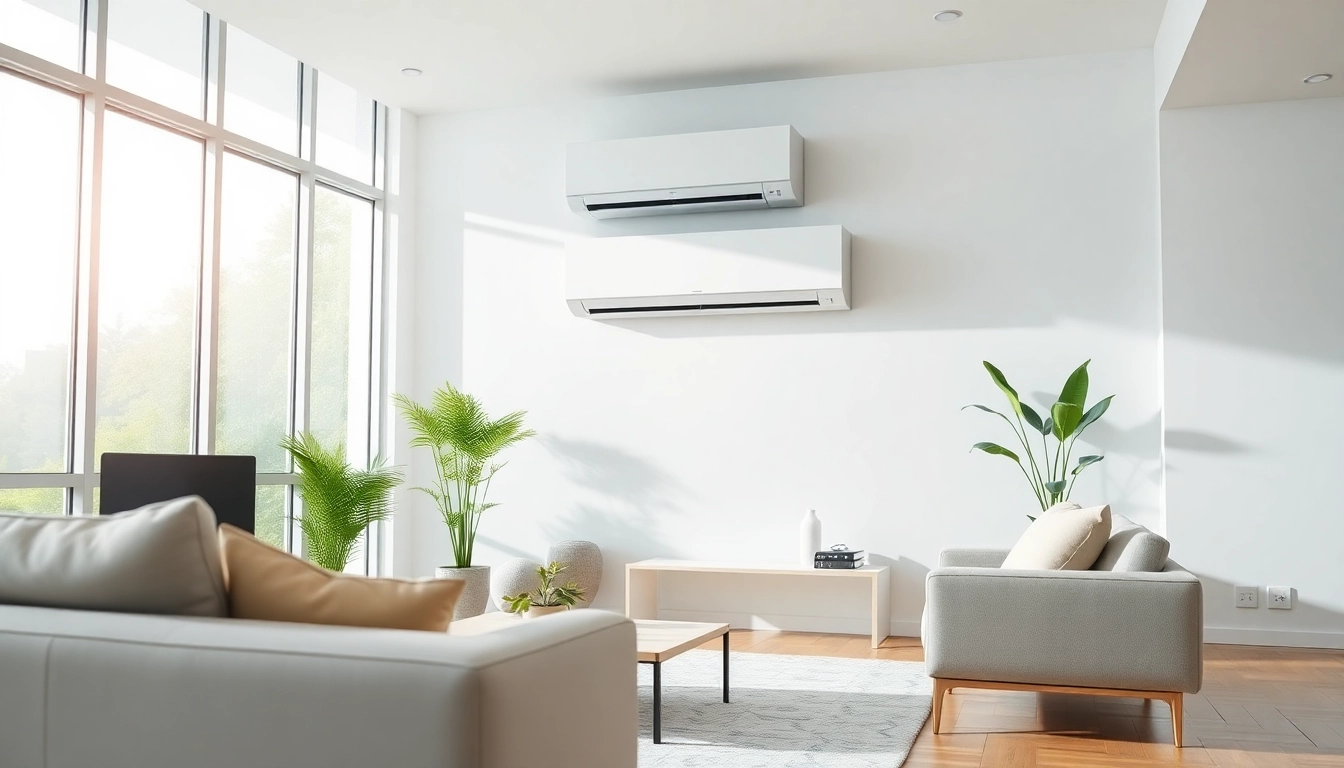
Introduction to Mitsubishi Mini Split AC Systems
When it comes to efficient heating and cooling solutions, few systems rival the performance of the mitsubishi mini split ac. These systems have gained immense popularity due to their versatility, energy efficiency, and sleek design. Unlike traditional HVAC systems that often require ductwork, mini-split systems operate as independent units, allowing homeowners to customize their heating and cooling needs across different rooms. As we dive deeper into the features and benefits of the Mitsubishi mini split AC systems, you will discover why they are an ideal choice for modern homes.
What is a Mitsubishi Mini Split AC?
Mitsubishi mini split AC systems, commonly referred to as ductless mini-splits, consist of two main components: an indoor unit and an outdoor compressor unit. This design allows heat to be transferred efficiently without the need for extensive ductwork. The indoor units are typically mounted on walls or ceilings and offer a range of styles, including wall-mounted, ceiling-mounted, and floor-mounted options. The outdoor unit provides the necessary compressor and condenser, completing the system.
Key Features of Mitsubishi Mini Split AC
- Inverter Technology: This feature allows the system to operate at varying speeds, enhancing energy efficiency and reducing noise.
- Zoning Capability: Multiple indoor units can be connected to a single outdoor unit, allowing different rooms to be heated or cooled to different temperatures.
- Quiet Operation: Designed with sound-dampening technology, Mitsubishi mini split units operate at much lower noise levels compared to traditional ACs.
- Energy Efficiency: Many models boast high SEER ratings, making them one of the most energy-efficient options available.
- Air Quality Features: Advanced filtration systems improve indoor air quality by reducing dust, allergens, and pollutants.
Benefits of Using Mitsubishi Mini Split AC
The advantages of installing a Mitsubishi mini split AC extend beyond simple air conditioning. As a homeowner, you can enjoy:
- Flexibility: Perfect for homes without ductwork, such as older buildings or new constructions. They can also target specific areas that need climate control.
- Energy Savings: The inverter technology and zoning capabilities lead to substantial energy savings, often translating to lower utility bills.
- Easier Installation: Without the need for ductwork, installation is generally faster and less invasive, resulting in less disruption to your home.
- Enhanced Comfort: Personalized climate control substantially improves comfort levels, allowing for the ideal temperature in individual rooms.
- Environmentally Friendly: Many models use refrigerants that are less harmful to the environment, reflecting a commitment to sustainability.
Understanding the Technology Behind Mitsubishi Mini Split AC
How Mitsubishi Mini Split AC Works
The operation of a Mitsubishi mini split AC takes advantage of the principles of refrigeration and thermodynamics. Refrigerant circulates between the indoor and outdoor units, absorbing heat from indoor air and releasing it outside. Here’s how it functions:
- The indoor unit draws in warm air and passes it over coils containing a refrigerant (usually R-410A).
- The refrigerant evaporates, absorbing heat from the air and cooling it down.
- The cooled air is then circulated back into the room, while the refrigerant carries the absorbed heat to the outdoor unit.
- In the outdoor unit, the refrigerant releases the heat, condenses, and starts the cycle again.
Energy Efficiency Ratings Explained
Energy efficiency is a crucial aspect of choosing an AC system. Understanding SEER (Seasonal Energy Efficiency Ratio) ratings is key to evaluating the efficiency of Mitsubishi mini split systems. The SEER rating is calculated by dividing the cooling output during a typical cooling-season by the total electric energy input. Generally, a higher SEER rating indicates a more efficient cooling operation and lower energy bills.
Most Mitsubishi mini split units have SEER ratings ranging from 16 to 26, offering significant savings over the lifespan of the system. For instance, as SEER ratings increase, operational costs decrease, allowing homeowners to make more frequent and effective use of their AC systems without the burden of high electric bills.
User Controls and Smart Features
Modern Mitsubishi mini split AC systems incorporate advanced user controls and smart technology to enhance comfort and convenience. Many units come equipped with wireless remote controls, enabling users to adjust temperature settings from anywhere in the room. This convenience is further amplified by the introduction of smart technology, which allows homeowners to program schedules and control the AC via smartphone apps, even when away from home.
Some models also integrate with home automation systems, allowing complete control over indoor climate alongside other smart home features. This technological progression empowers users to maintain optimal comfort while maximizing energy efficiency.
Installation Guide for Mitsubishi Mini Split AC
Choosing the Right Location
Selecting the correct location for both the indoor and outdoor units is crucial for optimal performance. The indoor unit should be mounted high on a wall to promote efficient airflow and should be positioned away from any direct heat sources, such as sunlight or electronic devices. Meanwhile, the outdoor unit should be placed on a solid, level surface away from obstructions and with ample space for airflow.
Essential Tools for Installation
Proper installation of a Mitsubishi mini split system requires a variety of tools, including:
- Drill, for creating holes for mounting and piping
- Measuring tape, to ensure proper placement
- Level, for aligning the indoor and outdoor units
- Wrenches and screwdrivers for tightening connections
- Vacuum pump, to clear the lines of air before refrigerant is added
Step-by-Step Installation Process
While professional installation is recommended, homeowners looking to install a Mitsubishi mini split AC themselves can follow these general steps:
- Choose the indoor and outdoor unit locations and mark the mounting positions.
- Install the indoor unit according to the manufacturer’s specifications, securing it to the wall.
- Drill holes for the refrigerant and drain lines, connecting the necessary piping between the indoor and outdoor units.
- Mount the outdoor unit securely, ensuring it is level.
- Connect the refrigerant lines, electric wiring, and drainage system.
- Use a vacuum pump to evacuate the system, then charge it with refrigerant as per specifications.
- Power on the unit and check for proper operation before finalizing the installation.
Maintenance Tips for Your Mitsubishi Mini Split AC
Regular Maintenance Checklist
To ensure your Mitsubishi mini split AC operates efficiently and lasts longer, adhere to a regular maintenance schedule. Here’s a checklist to guide you:
- Clean or replace filters monthly to maintain good airflow and air quality.
- Inspect the outdoor unit for debris and obstructions that could affect performance.
- Check drain lines for clogs, ensuring proper condensate removal.
- Schedule professional maintenance at least once a year to inspect refrigerant levels, electrical connections, and overall system performance.
Common Issues and Troubleshooting
Despite their reliability, Mitsubishi mini split AC units can experience issues. Here are common problems and potential solutions:
- Unit Not Cooling: Check for dirty filters or closed vents that may restrict airflow. Ensure the thermostat settings are correct.
- Strange Noises: Noises can indicate loose parts or debris in the fan. Inspect the unit and tighten any loose components.
- Water Leaks: Check for clogs in the drain line or improper installation of the drain pan.
- Inconsistent Temperature: This may signal refrigerant issues or non-functioning sensors. Consult a professional for diagnosis.
When to Seek Professional Help
If you encounter issues that can’t be resolved through basic troubleshooting, it’s time to call in a professional. Systems requiring refrigerant recharging, extensive electrical work, or persistent operational issues should be assessed by a qualified technician to avoid further damage and ensure safety.
Frequently Asked Questions about Mitsubishi Mini Split AC
How long do Mitsubishi mini split AC units last?
With proper maintenance, Mitsubishi mini split AC units can last up to 15-20 years, offering reliable cooling and heating throughout their lifespan.
Can I install a Mitsubishi mini split AC myself?
While some homeowners may attempt DIY installation, it’s recommended to have a professional installer for proper setup, ensuring efficiency and warranty protection.
What size Mitsubishi mini split AC do I need?
Selection depends on factors like room size, insulation, and climate. It’s best to consult a heating and cooling expert to assess your specific needs.
Are Mitsubishi mini split AC systems energy efficient?
Yes, Mitsubishi mini splits typically have high SEER ratings, making them one of the most energy-efficient HVAC solutions available today.
What is the noise level of Mitsubishi mini split AC?
Most models operate at a noise level of 19 dB to 45 dB, ensuring quiet operation that won’t disrupt your home’s comfort.