
 By admin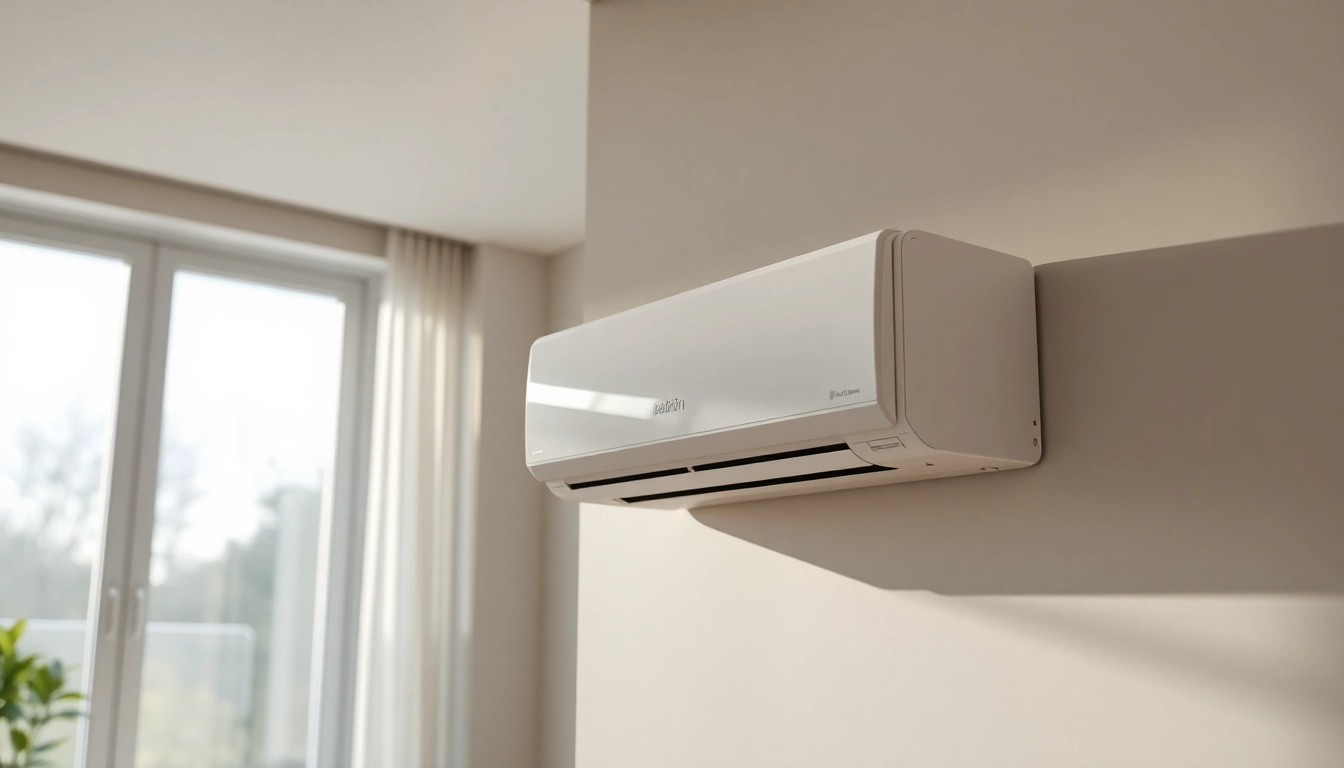
1. Advantages of Daikin Mini Split AC Systems
1.1 Energy Efficiency Features
One of the primary benefits of the daikin mini split ac is its energy efficiency. Utilizing inverter technology, these systems adjust their cooling output based on the current room temperature. This capability means they do not work at full power continuously, resulting in significantly lower energy consumption compared to traditional air conditioning units. In fact, many Daikin models boast SEER ratings of 15 to 20+, enabling users to save considerably on their electricity bills while also reducing their carbon footprint.
1.2 Flexible Installation Options
Daikin mini split AC systems offer a remarkable degree of flexibility in terms of installation. Unlike conventional central air conditioning systems, which require ducts, mini splits comprise two main components: an outdoor condenser and one or more indoor air handling units. This configuration allows for installation in various locations, including homes without existing ductwork. Furthermore, units can be mounted on walls, ceilings, or even integrated into living spaces, thus accommodating various architectural and design needs.
1.3 Quiet Operation Benefits
Noise levels are an essential factor for many homeowners when choosing an air conditioning system. The daikin mini split ac is designed with quiet operation in mind. The indoor units operate at very low decibel levels, akin to a whisper, thanks to their advanced engineering. This feature allows residents to enjoy a comfortable environment without the disruptive noise often associated with traditional HVAC systems, making them a popular choice for bedrooms, study areas, or quiet spaces within the home.
2. Understanding the Technology Behind Daikin Mini Split AC
2.1 Inverter Technology Explained
At the heart of Daikin’s efficiency is its inverter technology, which allows the compressor to adjust its speed based on the cooling demand. Unlike traditional air conditioners that turn off and on at full capacity, inverter systems can modulate their output. This not only conserves energy but also enhances the comfort level within your space, maintaining a steady temperature without the sudden fluctuations that can lead to discomfort.
2.2 Zoned Comfort Control
Another technological marvel of the daikin mini split ac is the concept of zoned comfort control. This system allows homeowners to set different temperatures for different rooms, providing customized climate control. This can be particularly beneficial in larger homes or those with various rooms that receive different amounts of sun exposure. By enabling localized heating and cooling, users can optimize energy usage while ensuring each area remains comfortable.
2.3 Smart Home Integration
With the rise of smart home technology, Daikin mini split systems have adapted to meet modern demands. Many models are equipped for smart home integration, allowing users to control their units remotely via smartphones or smart home hubs. This functionality enhances convenience, enabling homeowners to adjust settings while away from home, thereby ensuring their space is comfortable upon their return, all while maintaining energy efficiency.
3. Installation Process for Daikin Mini Split AC
3.1 Choosing the Right Location
Before installation, selecting the right location for both the indoor and outdoor units is critical. The outdoor unit should be placed in a shaded area to maximize efficiency and protect it from harsh weather conditions. The indoor unit should be installed in a room where airflow is unobstructed, ideally on the wall opposite windows to ensure optimal cooling performance. Proper placement can significantly enhance the system’s overall effectiveness and comfort levels.
3.2 Professional Installation Steps
The installation of a Daikin mini split AC requires technical expertise to ensure optimal performance and longevity. Installation typically involves mounting the indoor unit, connecting refrigerant lines to the outdoor unit, and connecting electrical wiring. Professionals also conduct pressure tests and start-up checks to ensure everything operates correctly. Although some may consider DIY installation, professional installation is recommended to avoid potential issues and maintain warranty validity.
3.3 Maintenance Tips for Longevity
Maintaining a Daikin mini split AC is crucial for its longevity and performance. Regularly cleaning the air filters, checking for blockages in the airflow, and scheduling professional inspections at least once a year can prevent many common issues. Ensuring that the outdoor unit is clear of debris and ensuring the units’ drainage is functioning correctly are also essential steps that homeowners can take to extend the life of their system.
4. Comparison: Daikin Mini Split AC vs. Traditional Systems
4.1 Cost Analysis
When comparing the daikin mini split ac to traditional systems, upfront costs can vary. While mini splits may have higher initial costs due to installation complexity, their energy efficiency often results in lower long-term operational costs. Over time, savings on utility bills can offset initial investments, making mini splits a more economical option in the long run.
4.2 Performance Evaluation
In terms of performance, Daikin mini split systems often outperform traditional air conditioners, particularly regarding temperature control and comfort. With the ability to create zones and manage airflow based on individual room needs, they offer tailored comfort that centralized systems cannot match. The precise temperature management reduces the likelihood of hot and cold spots common in traditional setups.
4.3 Visual Aesthetics
On the design front, Daikin mini split units are generally more aesthetically pleasing than bulky traditional units. The sleek, compact design of indoor units allows for seamless integration into home decor, while outdoor units can be placed strategically to minimize visibility. This flexibility in design makes mini splits an appealing choice for homeowners aiming to maintain a clean and modern look in their living spaces.
5. Frequently Asked Questions About Daikin Mini Split AC
5.1 How Energy Efficient is a Daikin Mini Split AC?
Daikin mini split ACs are known for their high energy efficiency, often with SEER ratings between 15 and 20+. They adjust their cooling output based on room temperature, allowing for energy savings on utility bills.
5.2 Can I Install a Daikin Mini Split AC Myself?
While it may be tempting to install a Daikin mini split AC yourself, professional installation is recommended to ensure proper setup, optimal performance, and to maintain warranty validity.
5.3 What is the Average Lifespan of a Daikin Mini Split AC?
With proper maintenance, a Daikin mini split AC can last 15 to 20 years. Regular servicing and filter cleaning can significantly extend its lifespan and performance.
5.4 Are Daikin Mini Split ACs Noisy?
No, Daikin mini split ACs are designed for quiet operation. The indoor units operate at low decibel levels, making them suitable for bedrooms and quiet spaces.
5.5 How Do I Maintain My Daikin Mini Split AC?
Maintaining your Daikin mini split AC involves regularly cleaning the air filters, ensuring clear airflow, and scheduling annual professional inspections to address any potential issues.