
 By admin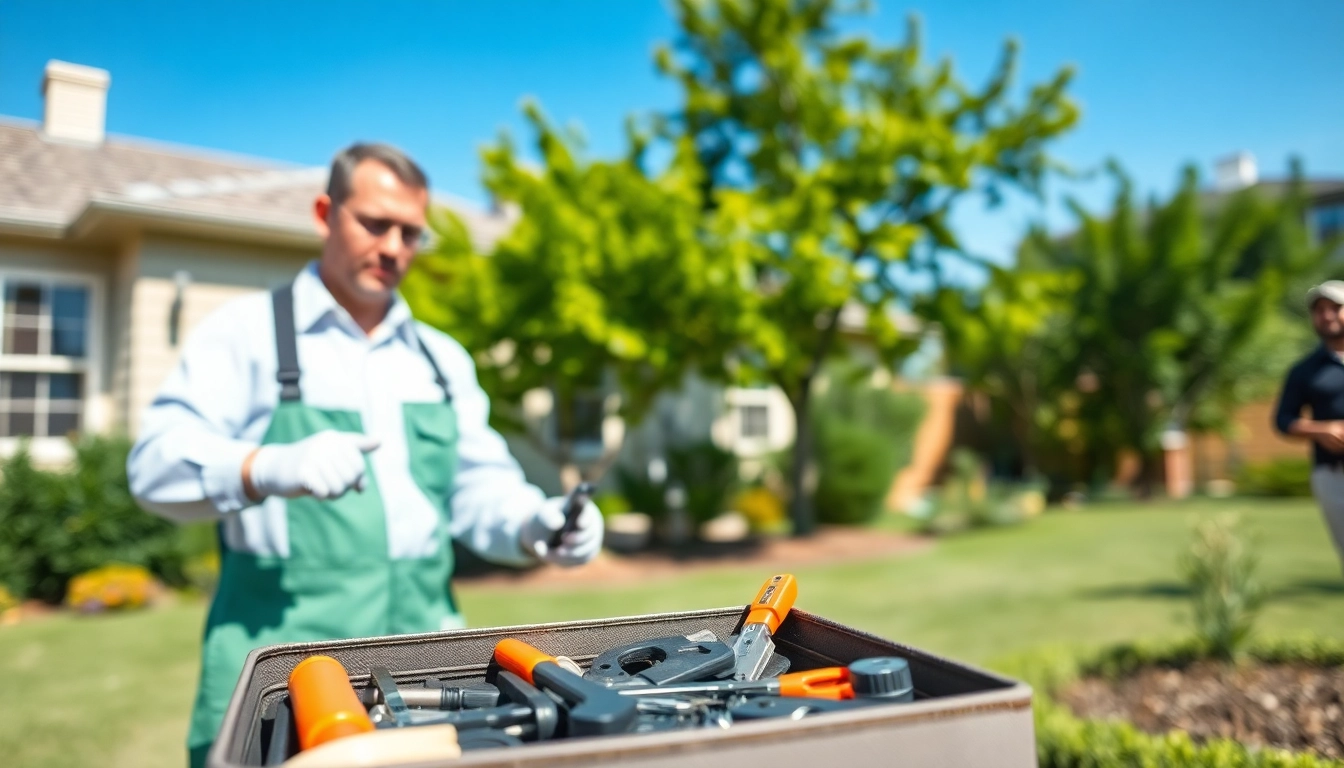
Understanding Responsible Pest Management
What Is Responsible Pest Management?
Responsible pest management is a holistic approach to controlling pest populations while minimizing harm to humans, animals, and the environment. This practice emphasizes the use of integrated strategies that leverage the strengths of various methods, focusing on prevention, monitoring, and managing pest populations sustainably. Responsible pest management encompasses several techniques, such as biological control, habitat manipulation, and the judicious use of pesticides when necessary. The aim is to create a balanced ecosystem where pests are kept at manageable levels without resorting to harmful chemicals that could degrade health or the environment.
Importance of Responsible Pest Management
The importance of responsible pest management cannot be overstated. It plays a critical role in safeguarding public health, protecting crops, preserving biodiversity, and maintaining the integrity of ecosystems. Uncontrolled pest populations can lead to the spread of diseases, significant agricultural losses, and negative impacts on natural habitats. By employing responsible methods, homeowners and businesses can mitigate these risks while promoting sustainable practices. Furthermore, responsible pest management fosters a greater understanding of pest behavior and ecology, encouraging proactive strategies rather than reactive measures.
Common Pest Control Methods
Common pest control methods include chemical, cultural, mechanical, biological, and integrated pest management (IPM) techniques. Chemical methods involve using pesticides; however, their application must be carefully managed to minimize potential side effects. Cultural methods focus on adjusting farming practices or habitat management to prevent pest infestations. Mechanical approaches involve physical barriers or traps to control pests. Biological methods leverage natural enemies of pests, such as predators, parasites, and pathogens, to regulate pest populations. Lastly, IPM is a comprehensive strategy that combines these methods in a synergistic approach, optimizing their effectiveness for better results.
Identifying Pests: The First Step
Common Household Pests
Understanding the common household pests is essential for effective management. Some prevalent pests include ants, roaches, termites, bed bugs, and rodents. Each type poses unique challenges, and their identification is critical for deploying the right pest control strategies. Ants often invade food sources, while roaches can indicate poor sanitation. Termites can silently damage wooden structures, and bed bugs are notorious for causing discomfort to residents. Rodents can contaminate food and carry diseases, making their quick identification paramount.
Signs of Infestation
Recognizing early signs of infestation can save considerable time, money, and hassle. Look for droppings, gnaw marks, nests, unusual sounds, or visible pests. For instance, a trail of tiny black droppings may indicate a rodent issue, while discarded wings can suggest a termite presence. Unexplained skin irritations or bite marks might hint at bed bugs. Keeping vigilant and educated about these signs helps homeowners react swiftly, reducing the chance of larger infestations.
When to Call a Professional
While DIY pest control can be effective for minor pest problems, certain situations warrant professional help. If infestations are severe or recurring, or when dealing with potential health threats such as termites or disease-bearing pests, it is advisable to consult with pest management professionals. Their expertise, equipment, and access to more effective methods ensure that infestations are dealt with safely and effectively. Furthermore, professionals can provide long-term solutions and advice on preventative measures to minimize future risks.
Implementing Preventative Measures
Home Maintenance Tips
Preventative measures are crucial for effective pest management. Regular home maintenance can significantly reduce the likelihood of infestations. Homeowners should seal cracks, repair leaks, and eliminate standing water to deter pests. Additionally, proper food storage and waste management practices discourage pests from being attracted to the home. Maintaining a clean and organized living space can drastically decrease potential pest habitats.
Gardening Practices for Pest Prevention
Gardening practices play a pivotal role in pest prevention. Using crop rotation and companion planting enhances biodiversity and confuses pests within the garden ecosystem. Mulching can deter weeds, while companion plants create habitats for beneficial insects that predate on pests. Regular monitoring of the garden environment for early signs of pests can facilitate prompt management. Additionally, maintaining healthy soil through organic practices creates resilient plants less susceptible to pest infestations.
Natural Repellents to Use
Natural repellents offer eco-friendly alternatives to chemical solutions. Essential oils, such as peppermint, lavender, and citronella, can deter many insects when used appropriately. Diatomaceous earth serves as a barrier for crawling pests, while vinegar can be utilized to repel ants. Utilizing these natural products not only helps protect the environment but also promotes the health of your household. Regular application and combining different natural methods can enhance effectiveness against an array of pests.
Eco-Friendly Pest Management Solutions
Organic Pesticides and Their Benefits
Organic pesticides are derived from natural materials and designed to minimize environmental impact. They effectively control pests while being safer for humans and non-target organisms. Common organic pesticides include neem oil, insecticidal soap, and pyrethrin, which provide various benefits, including reduced chemical exposure and promoting a healthier ecosystem. Understanding the proper application guidelines ensures optimal effectiveness while minimizing adverse effects.
Integrated Pest Management Techniques
Integrated Pest Management (IPM) is a sustainable approach that incorporates a variety of practices to manage pests effectively. This method emphasizes monitoring pest populations, identifying their life cycles, and determining the best control strategies that combine biological, cultural, and mechanical methods. IPM reduces reliance on chemical controls and instead promotes the use of natural solutions, resulting in a more balanced approach and less environmental harm. An effective IPM program also includes routine evaluations and adjustments based on pest response, ensuring continuous improvement in pest management practices.
How to Make Your Own Pest Control Solutions
Creating homemade pest control solutions is a practical and cost-effective approach for those who prefer natural methods. Common ingredients like soap, vinegar, and oils can be combined to create various pest deterrents. For instance, a simple spray made from diluted vinegar or a soap solution can effectively manage soft-bodied insects like aphids or spider mites. Additionally, utilizing garlic, cayenne pepper, or essential oils can craft repellents for a range of pests, offering a tailored approach without synthetic chemicals.
Evaluating Pest Management Effectiveness
Indicators of Successful Pest Management
Evaluating the effectiveness of pest management strategies is essential for long-term success. Key indicators include reduced pest sightings, lower pest-related damage, and minimal use of chemical controls. Tracking pest populations through regular monitoring can provide concrete data on whether the chosen strategies are successful. If there is a significant decline in pest activity, it signals that the management plan is working, prompting continued implementation.
Regular Maintenance Practices
Regular maintenance is vital in sustaining pest control efforts. This includes routine inspections of potential entry points, ventilated areas, and continued monitoring of indoor and outdoor environments. Seasonal maintenance practices, such as cleaning gutters, trimming shrubs, and evaluating landscape design, greatly enhance the effectiveness of pest management efforts. Proactive care is key to preventing future infestations, ensuring a pest-free environment.
Feedback and Continuous Improvement
Feedback mechanisms, whether from residents or pest management professionals, are essential in refining pest management strategies. Analyzing data from pest activity and management efficacy facilitates ongoing improvements. Highlighting any reoccurring pest issues allows for adaptability in strategies and modifications to pest control measures. A commitment to evaluating results and implementing refined practices fosters resilience in pest management and enhances overall effectiveness.
Frequently Asked Questions (FAQs)
What is integrated pest management?
Integrated pest management (IPM) is a holistic approach combining various strategies to manage pest populations effectively while minimizing risks to people and the environment.
How can I prevent pests in my home?
Prevent pests by sealing entry points, maintaining cleanliness, adopting proper food storage practices, and handling outdoor areas wisely to minimize attractiveness for pests.
Are organic pest control methods effective?
Yes, organic pest control methods can be highly effective for managing pests, offering safe alternatives to chemical treatments while minimizing environmental impact.
When should I call a pest control professional?
Call a pest control professional when faced with significant infestations, dangerous pests, or when DIY methods fail to produce results.
What role do beneficial insects play?
Beneficial insects, such as ladybugs and lacewings, help control pest populations by preying on damaging insects, promoting a balanced ecosystem in gardens and landscapes.