
 By admin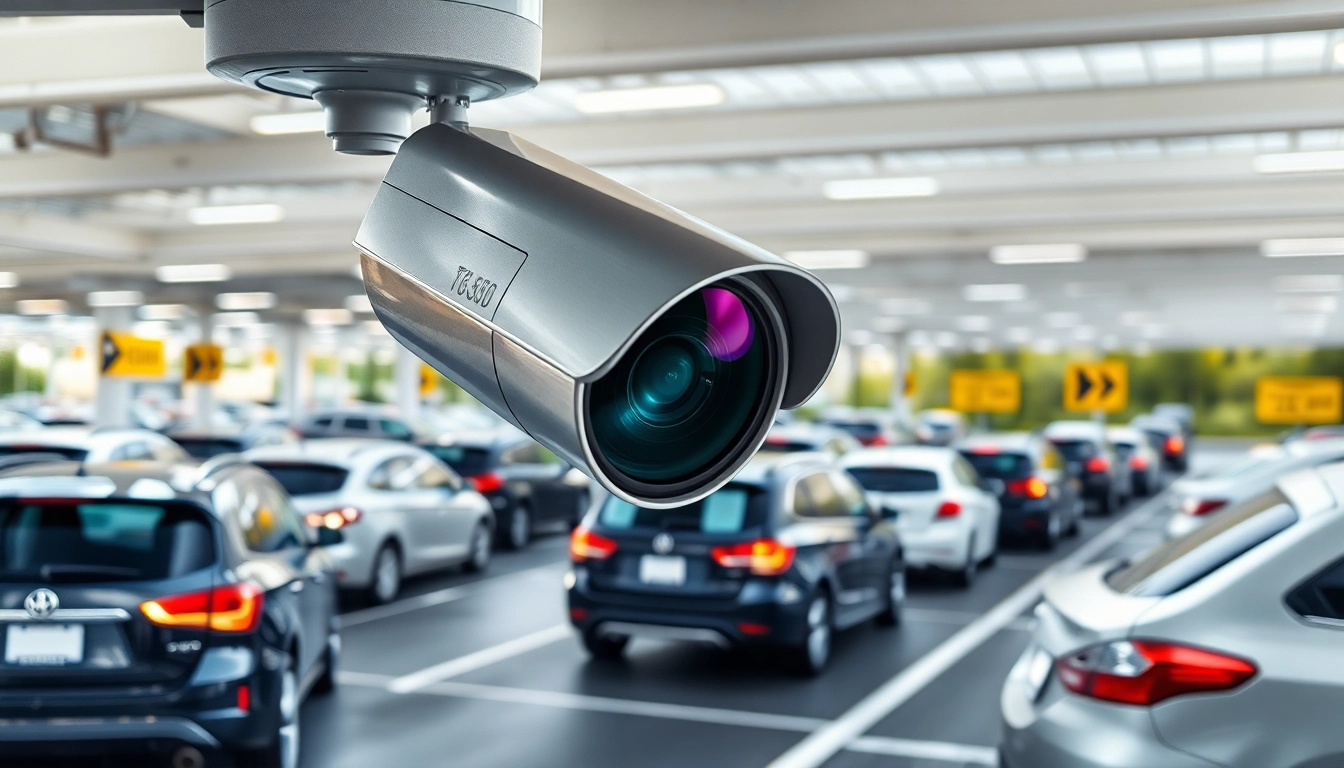
- Understanding License Plate Recognition Camera Technology
- Benefits of Implementing License Plate Recognition Cameras
- Choosing the Right License Plate Recognition Camera for Your Needs
- Installation and Maintenance of License Plate Recognition Cameras
- Future Trends in License Plate Recognition Technology
- FAQs
Understanding License Plate Recognition Camera Technology
License plate recognition cameras have emerged as a vital component in modern surveillance and security systems. By utilizing advanced optical character recognition, these cameras can accurately read and store license plate information. As their applications expand across various industries, understanding how these systems work and their potential benefits is crucial. This article will delve into the intricacies of the license plate recognition camera technology, its advantages, and considerations for implementation.
What is License Plate Recognition?
License Plate Recognition (LPR) is a technology that utilizes cameras equipped with image processing software to capture and analyze vehicle registration plates. The system not only identifies the alphanumeric characters on the plates but also records metadata such as time, date, and location. This technology is typically employed in various applications, including toll collection, parking management, and law enforcement surveillance, enhancing both security and operational efficiency.
How Do License Plate Recognition Cameras Work?
At the heart of a license plate recognition camera is a combination of advanced imaging technology and real-time processing capabilities. The cameras employ high-resolution imaging sensors that can capture clear images of moving vehicles. Below is a step-by-step breakdown of how LPR systems operate:
- Image Capture: When a vehicle passes by an LPR camera, the camera captures a series of images in real-time.
- Optical Character Recognition (OCR): The captured images are processed using OCR technology, which identifies and extracts the alphanumeric characters from the license plate.
- Data Storage: The recognized characters are then stored in a database along with metadata, which can be used for future reference or analysis.
- Alerts and Notifications: The system can be integrated with software that triggers alerts for specific plates, facilitating immediate action if necessary.
Key Features of License Plate Recognition Cameras
License plate recognition cameras come equipped with several features tailored to optimize performance:
- High-Resolution Imaging: Ensures clear capture of plates, even in fast-moving traffic.
- Infrared Illumination: Enables functionality in low-light conditions by illuminating license plates with infrared light.
- Real-Time Alerts: Offers immediate notifications when certain license plates are detected.
- Data Integration: Can integrate with existing security systems to enhance overall situational awareness.
Benefits of Implementing License Plate Recognition Cameras
Implementing license plate recognition cameras offers numerous benefits, making them an invaluable tool for various sectors, from law enforcement to private enterprises.
Enhanced Security Measures
One of the primary advantages of using a license plate recognition camera is the enhancement of security measures. Organizations can monitor who enters and exits their premises, thus minimizing unauthorized access. In law enforcement, LPR systems aid in the rapid identification of stolen vehicles or vehicles associated with criminal activity, allowing for quicker response times.
Traffic Management Solutions
License plate recognition technology plays a crucial role in traffic management. By collecting data on vehicle movements, agencies can analyze traffic patterns, optimize signal timings, and manage congestion more effectively. This data-driven approach leads to more efficient urban planning and improved roadway safety, benefiting both pedestrians and drivers alike.
Facilitating Law Enforcement Collaborations
LPR cameras enable law enforcement agencies to share data and collaborate better. When LPR systems are networked, authorized personnel can access a centralized database of vehicle information, helping in investigations and facilitating the tracking of suspect vehicles across jurisdictions.
Choosing the Right License Plate Recognition Camera for Your Needs
With various products available in the market, selecting the right license plate recognition camera can be daunting. Several key factors should guide your decision-making process.
Factors to Consider When Selecting a Camera
When evaluating license plate recognition cameras, consider the following:
- Image Quality: Look for cameras with high resolution and night vision capabilities.
- Processing Speed: Ensure the camera can process and return results in real-time, especially in high-traffic areas.
- Integration Capabilities: Select a camera compatible with your existing software and security systems.
- Durability: Opt for cameras that can withstand environmental conditions specific to your installation location.
Pricing Variations and Budget Considerations
The cost of license plate recognition cameras can vary significantly based on features, quality, and brand. Typically, prices can range from several hundred to several thousand dollars. Investing in a more advanced system may offer long-term benefits, including reduced operational costs and enhanced capabilities. It’s essential to evaluate your specific needs and budget before making a decision.
Technical Specifications and Performance Metrics
Understanding technical specifications, such as frame rates, detection ranges, and operating conditions, is pivotal when selecting a camera. Ensure the performance metrics meet your operational requirements, particularly if you expect to capture plates from speeding vehicles or in challenging lighting conditions.
Installation and Maintenance of License Plate Recognition Cameras
Proper installation and regular maintenance are critical for the effective operation of license plate recognition cameras.
Best Practices for Installation
When installing a license plate recognition camera, consider the following best practices:
- Location: Select strategic locations offering clear visibility of vehicle plates without obstructions.
- Angle: Position the camera at an optimal angle to minimize distortion while capturing license plates accurately.
- Height: Install cameras at a height that provides a clear line of sight to passing vehicles.
Routine Maintenance Guidelines
Regular maintenance ensures the longevity and reliability of the system. Follow these guidelines:
- Cleaning: Periodically clean the camera lens to remove dust and debris that may obstruct the view.
- Firmware Updates: Keep the camera’s software updated to benefit from improvements and security patches.
- Monitor Performance: Regularly assess the camera’s performance and effectiveness to detect any issues early.
Common Challenges in Implementing LPR Systems
Organizations may face several challenges when implementing license plate recognition systems:
- Environmental Conditions: Weather conditions such as rain, fog, and snow can impact performance.
- Data Privacy Concerns: Organizations must navigate regulations concerning data collection and privacy.
- Integration Issues: Ensuring compatibility with existing infrastructure could present technical challenges.
To overcome these challenges, conducting thorough research, consulting with experts, and adhering to best practices for installation and data handling is crucial.
Future Trends in License Plate Recognition Technology
The future of license plate recognition technology is poised for growth with anticipated advancements.
Advancements in AI Integration
Future license plate recognition systems will increasingly integrate with artificial intelligence (AI) to enhance accuracy and efficiency. AI algorithms can improve number plate detection rates, minimize false positives, and analyze trends in vehicle movements for better predictive analytics.
The Role of Data Privacy and Ethics
As LPR systems grow in popularity, data privacy concerns are paramount. The use of robust encryption, security protocols, and transparent user policies will be necessary to address public concerns and comply with legal frameworks surrounding data use.
Emerging Use Cases in Various Industries
License plate recognition technology is finding new applications within various sectors, including retail for managing customer access, transportation for toll collection, and even smart cities for overall traffic management. These emerging use cases showcase the expansive potential of license plate recognition technology beyond security.
FAQs
What is the primary purpose of license plate recognition cameras?
License plate recognition cameras are primarily used to identify and track vehicles by reading their registration plates, aiding in security, law enforcement, and traffic management.
Can license plate recognition work in low light conditions?
Yes, many license plate recognition cameras are equipped with infrared illumination technology, allowing them to function effectively in low-light conditions.
Are there privacy concerns associated with LPR technology?
Yes, privacy concerns exist as LPR systems collect and store information. Organizations must implement strict data management practices to adhere to privacy regulations.
What types of industries benefit from LPR cameras?
Transportation, law enforcement, retail, and urban planning industries benefit significantly from LPR cameras for various applications such as monitoring and analysis.
How often should license plate recognition cameras be maintained?
Regular maintenance should be performed at least every quarter, including cleaning lenses and checking software updates, to ensure optimal performance.